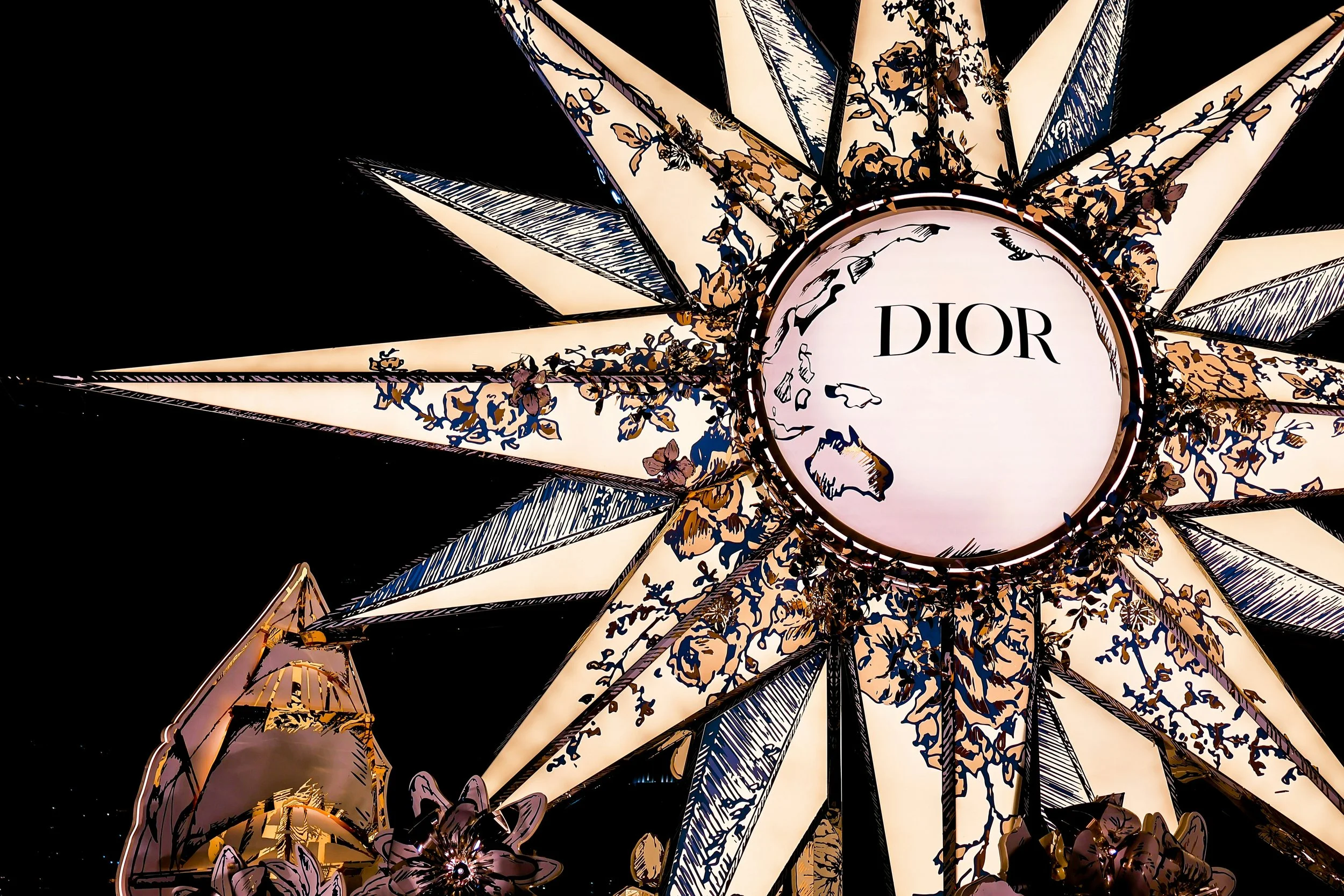
Jonathan Anderson’s Dior Fall–Winter 2026–2027 Couture Collection Reveals How the House Rebuilds Authority Before Revenue
Jonathan Anderson’s July 2026 Dior Fall–Winter 2026–2027 haute couture collection was more than a creative statement. By pairing the collection with Lynda Benglis and extending it into a public exhibition at the Musée Rodin, Dior turned couture into a wider system for producing cultural authority.
The analysis examines how couture strengthens the credibility of Dior’s commercially scalable categories and why luxury recovery begins by restoring belief in the house before revenue follows.
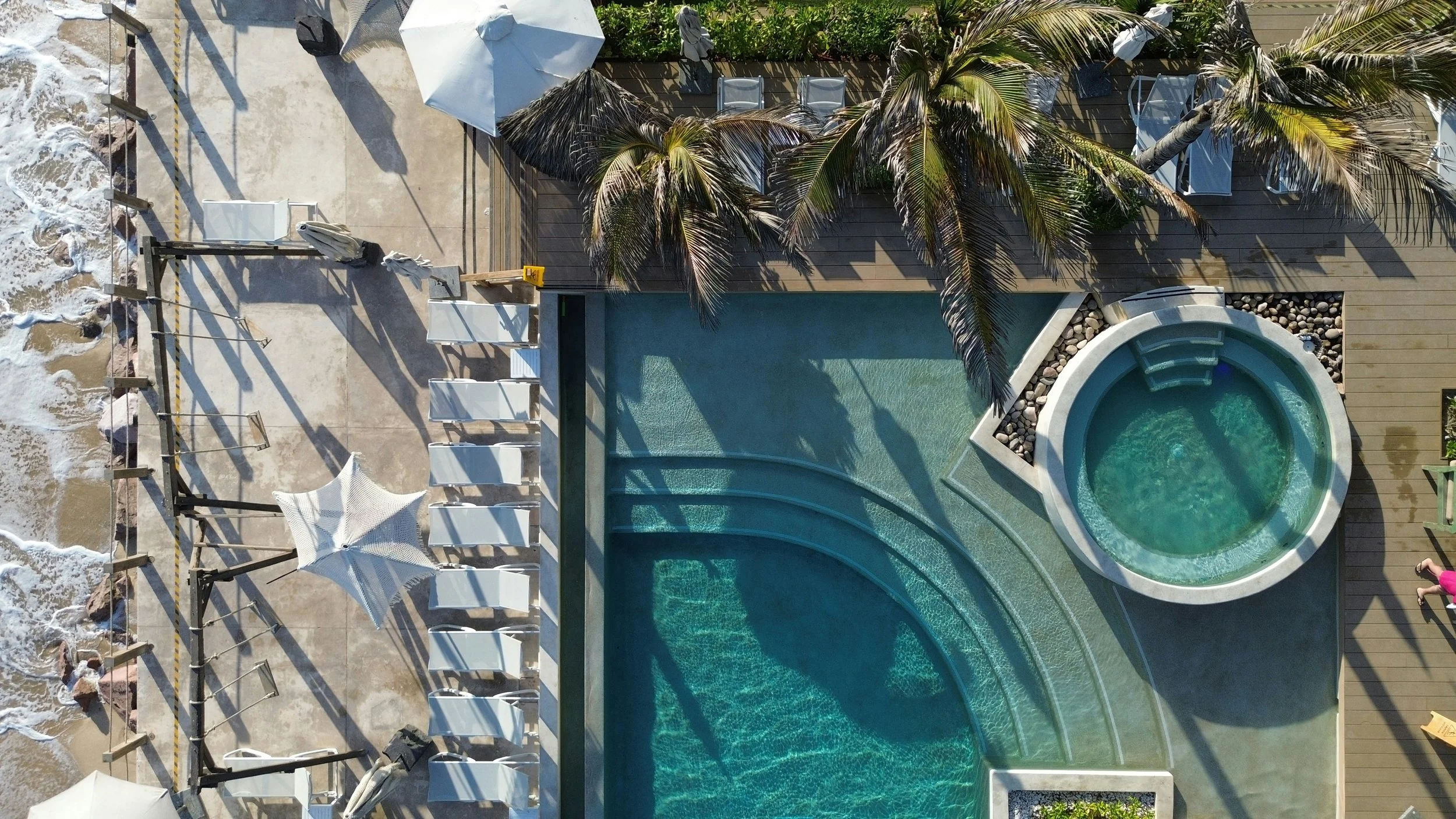
Why Luxury Brands Want You to Spend Your Entire Summer Inside Their World
Beach clubs have become one of luxury fashion's most sophisticated strategic tools. Far beyond seasonal marketing, they allow brands to shape memories, build emotional attachment, and introduce future customers to their world long before a purchase is made. This analysis explores how Dior, Gucci, Burberry, Missoni, and Dolce & Gabbana are transforming Europe's most exclusive summer destinations into immersive brand ecosystems—and why the real objective has little to do with hospitality.
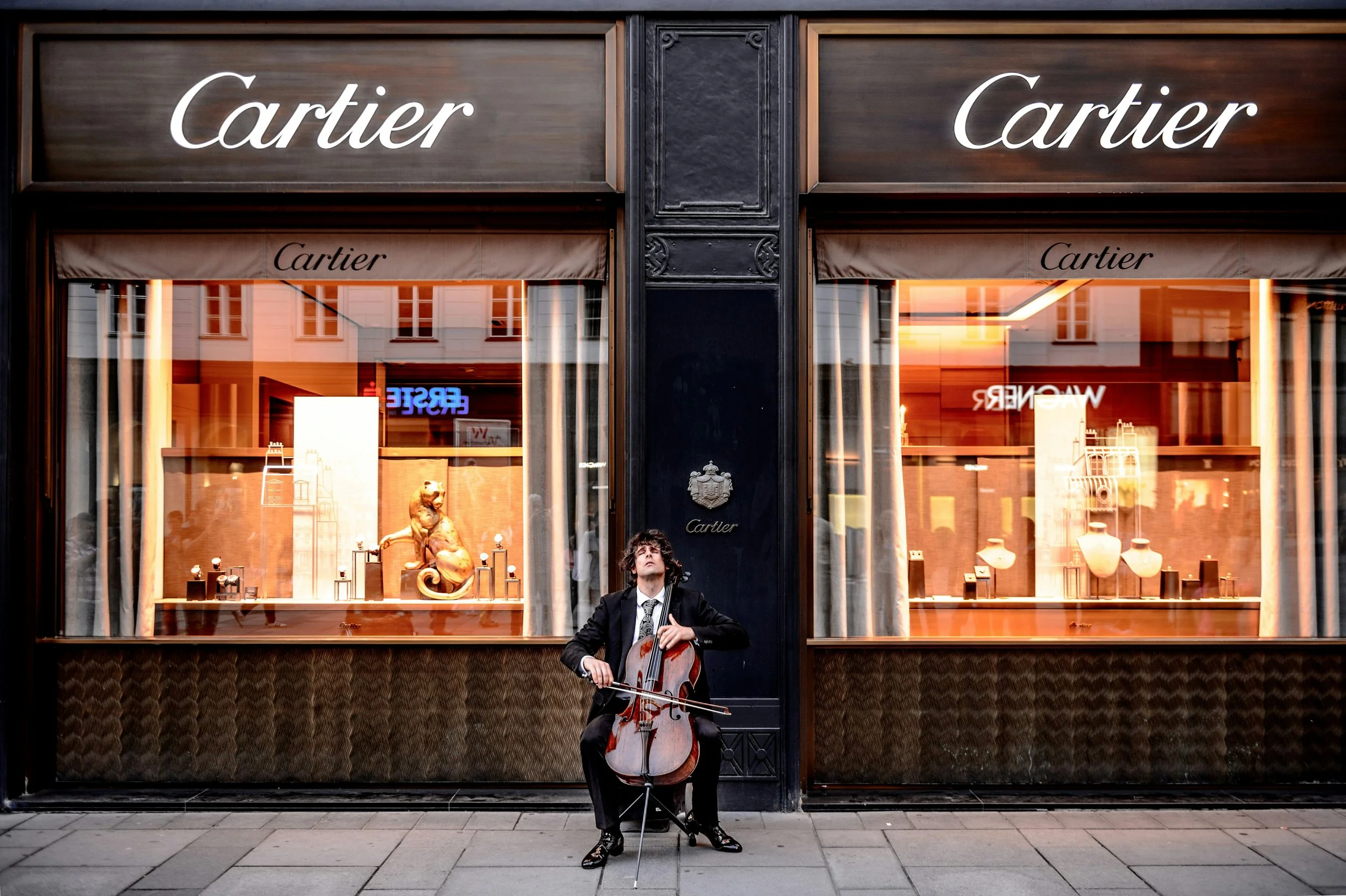
How Ultra-Luxury Brands Sell by Refusing to Sell: The Psychology of Exclusive Distribution
Ultra-luxury brands do not compete by making products easier to buy. They compete by making ownership meaningful. This analysis explores how houses such as Graff, Patek Philippe, Van Cleef & Arpels, and Richard Mille transform distribution into a system of exclusivity, using restricted access, waiting, private appointments, invisible inventory, and client qualification to create symbolic value. It also examines how independent luxury founders can apply the underlying principles without imitating the scale or theatrics of the world's most exclusive maisons.
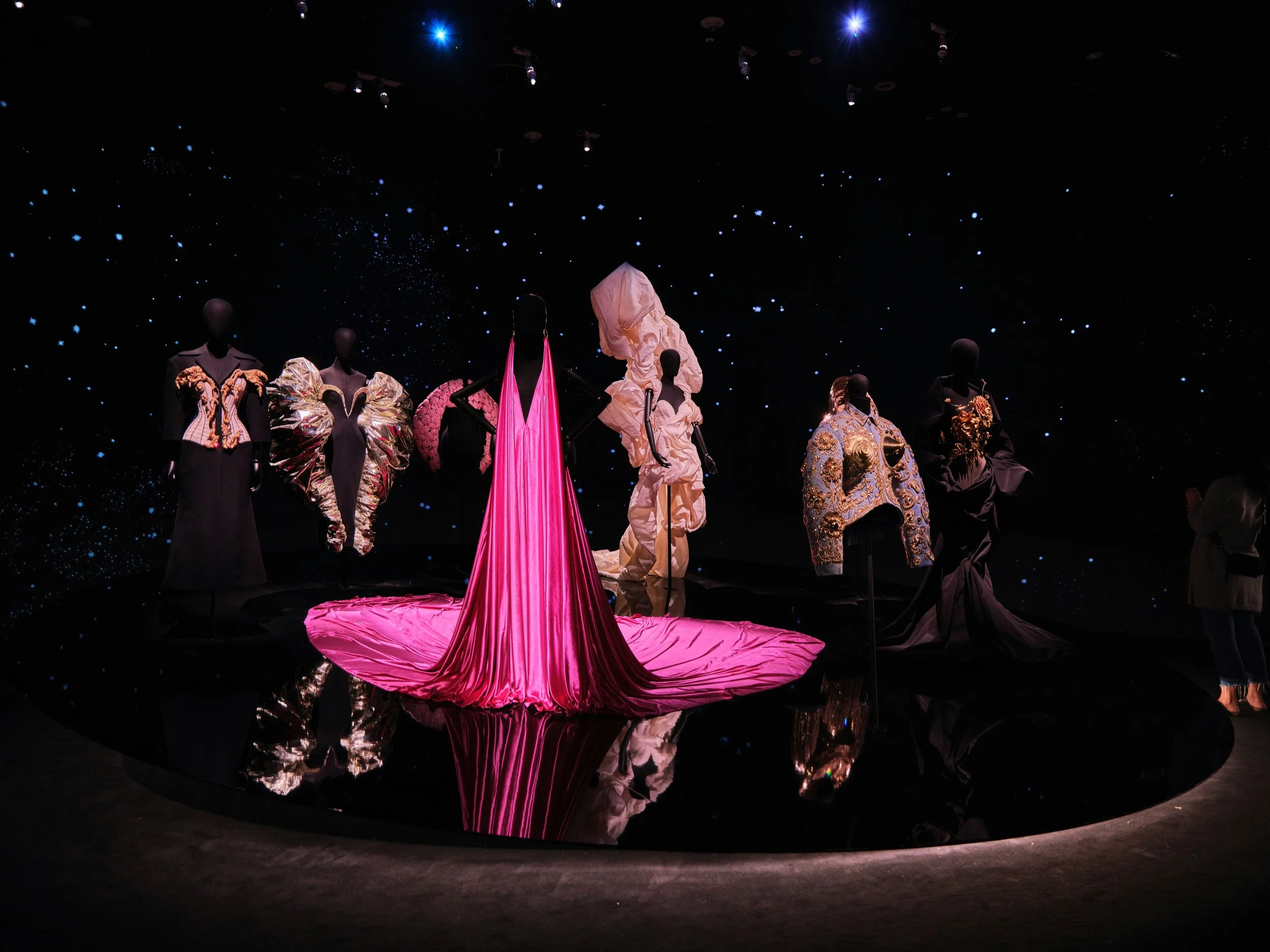
Why Luxury Groups Are Suffering While Independent Ultra-Luxury Brands Keep Winning Even After Raising Prices
Luxury's slowdown is not affecting every brand equally. While major groups face slowing demand, customer fatigue and margin pressure, ultra-luxury houses such as Hermès and Brunello Cucinelli continue to strengthen pricing power and desirability. Orisé Atelier examines how scarcity, family ownership, controlled distribution and permanence are reshaping the luxury hierarchy in 2026.

Balenciaga's Substack Bet Reveals the Biggest Shift in Luxury Marketing Since Instagram
Luxury brands are not abandoning social media.
They are responding to a world where consumers increasingly trust specific creators more than platforms themselves.
Balenciaga's decision to sponsor Substack writers may appear to be a simple advertising experiment. In reality, it offers an early signal of a much larger strategic shift taking place across luxury communication.
As digital fatigue grows and audiences become more selective about where they place their attention, trust is becoming one of the most valuable assets in luxury marketing.
The full analysis examines why creator trust networks are emerging as a new layer of luxury influence, what this means for traditional media and social platforms, and how brands may adapt their communication strategies over the coming decade.
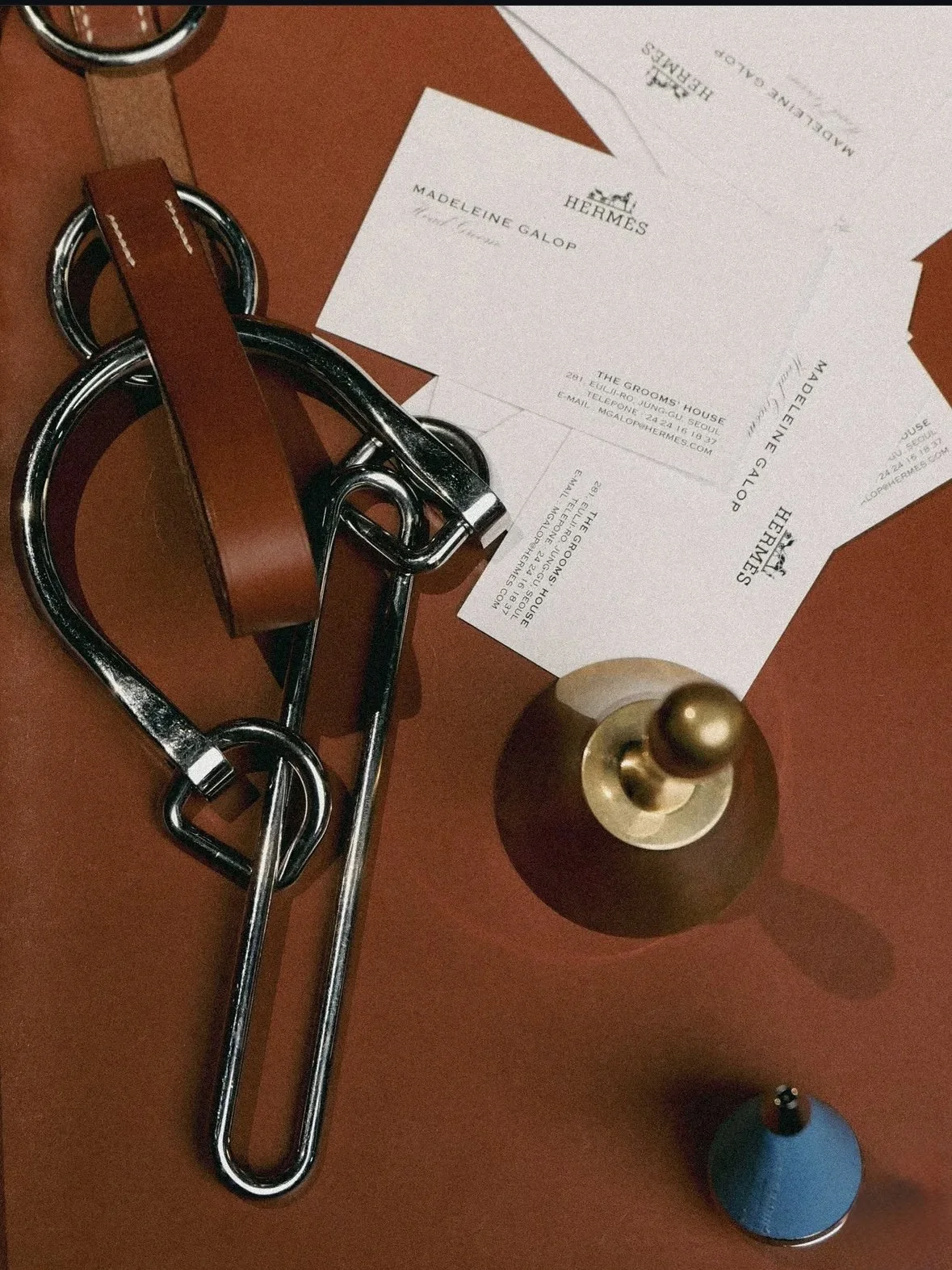
How Hermès Designs Customer Journeys Differently And What Independent Luxury Founders Can Learn From It
Most luxury experiences are designed to be seen. Hermès designs experiences to be completed. With Mystery at the Grooms, visitors became participants rather than spectators, following clues and discovering hidden horses across the experience. The result was a customer journey built around participation, memory, and brand literacy.
Orisé Atelier examines the behavioral psychology behind why this format has successfully traveled from Shanghai to New York City, Tokyo, and Seoul while remaining unmistakably Hermès.
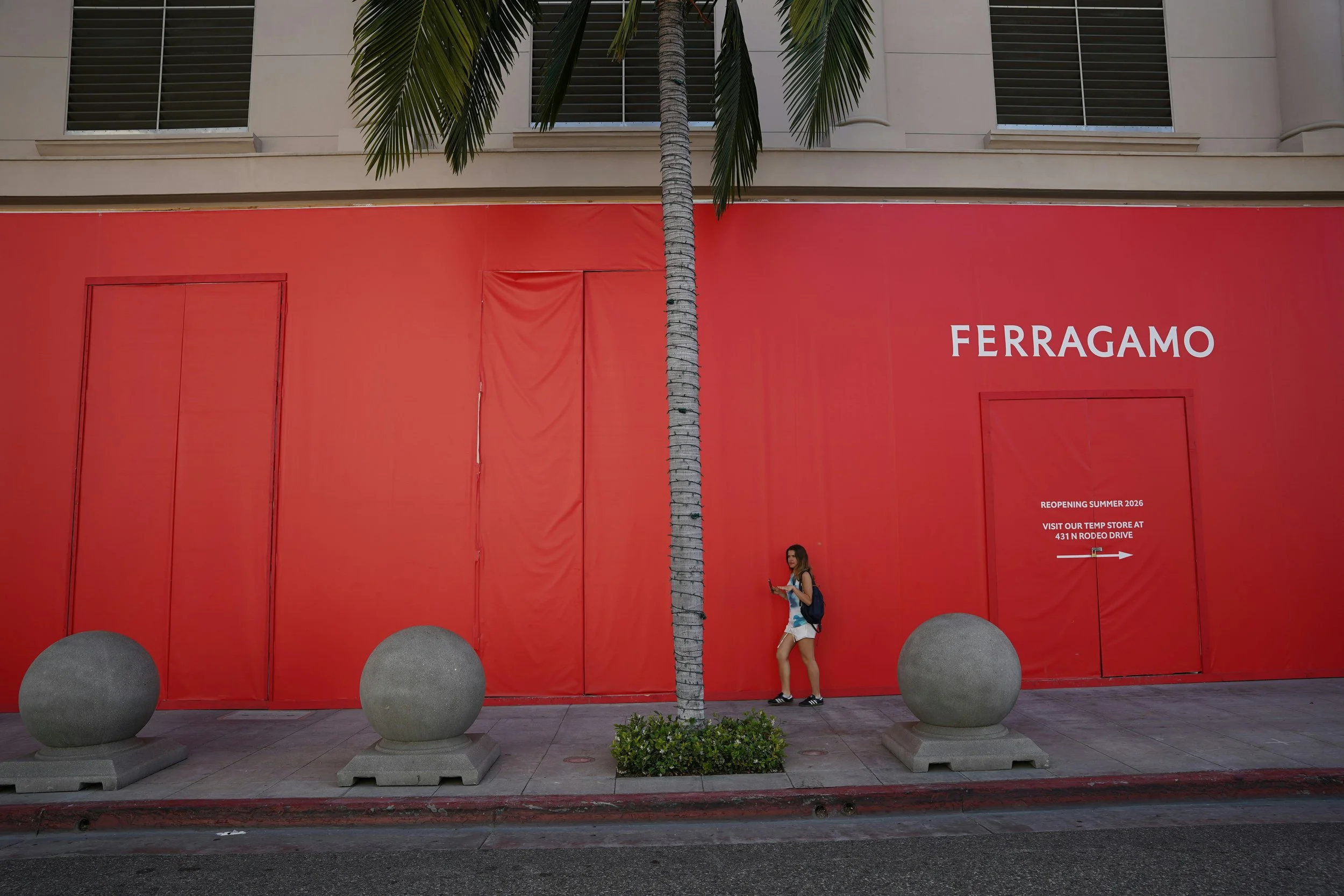
What Ferragamo’s José Mourinho Campaign Reveals About Luxury Strategy When Sales Decline: A Data and Psychology Analysis
Ferragamo’s José Mourinho campaign is not a random celebrity placement. It is a strategic response to a deeper commercial problem: declining revenue, pressure in footwear, and the need to rebuild authority around the category that made Ferragamo famous. This analysis looks at the data, the Tramezza product strategy, and the psychology behind using Mourinho to restore masculine elegance, craft credibility, and symbolic power at a moment when the house needs its heritage to work harder than ever.
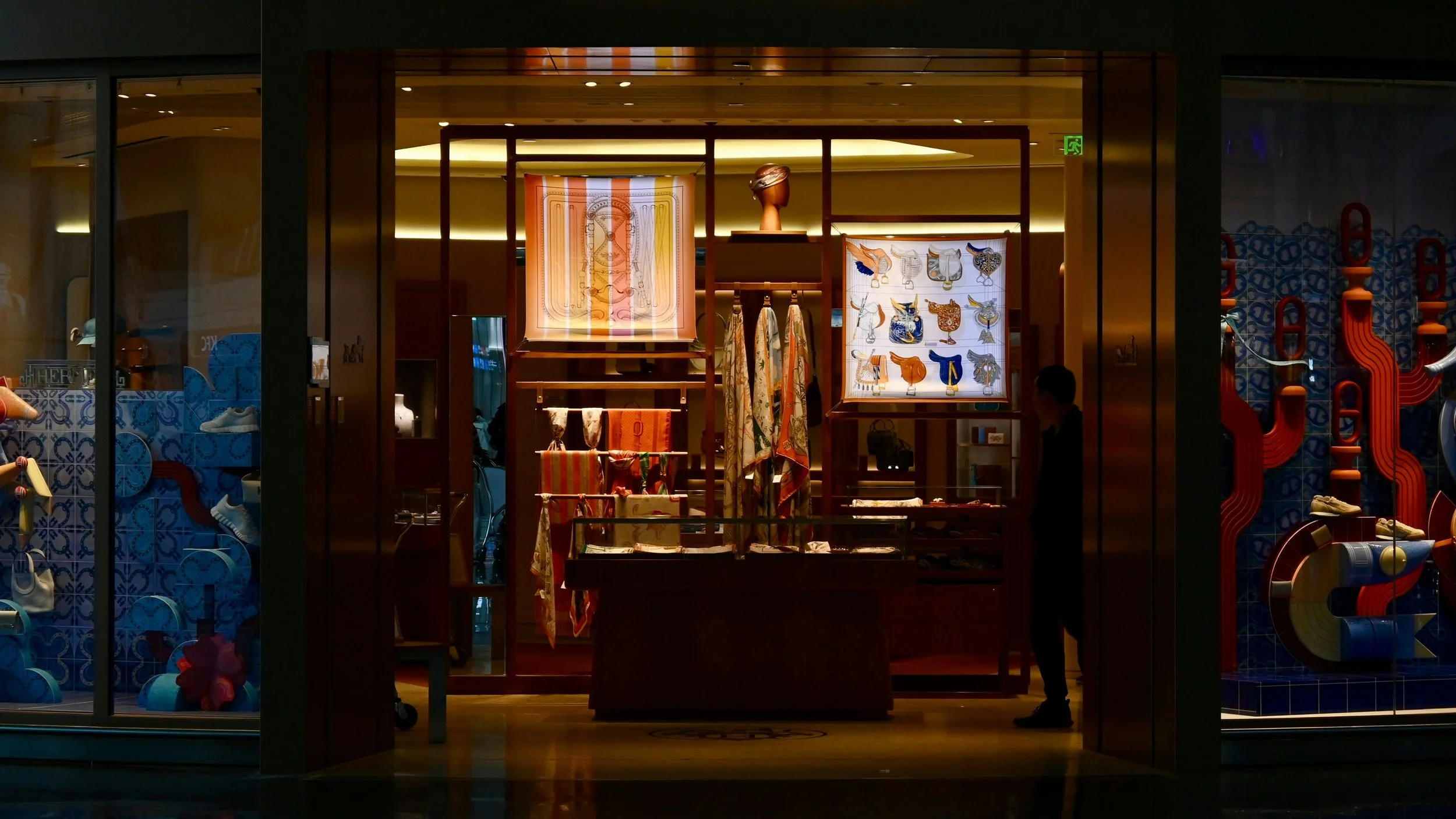
Zimmermann and the Power of One Luxury Identity: What Independent Luxury Founders Can Learn From It
Zimmermann is not powerful because it sells resortwear. It is powerful because it turned resortwear into a complete luxury identity system. For independent luxury founders, the lesson is clear: luxury does not begin with range. It begins with recognition. This analysis explores how Zimmermann built a world strong enough to carry product expansion, investor interest, and global retail growth.

Why Luxury Brands Are Building Spas and It Has Nothing to Do With Wellness
Luxury brand spas are being framed as wellness expansions, but the deeper strategy is client retention. As aspirational luxury consumers pull back, the major houses are building intimate, high-control experiences for VICs, the 0.1% of clients driving a disproportionate share of luxury market value. This piece examines why the spa has become one of luxury’s most powerful relationship infrastructures.
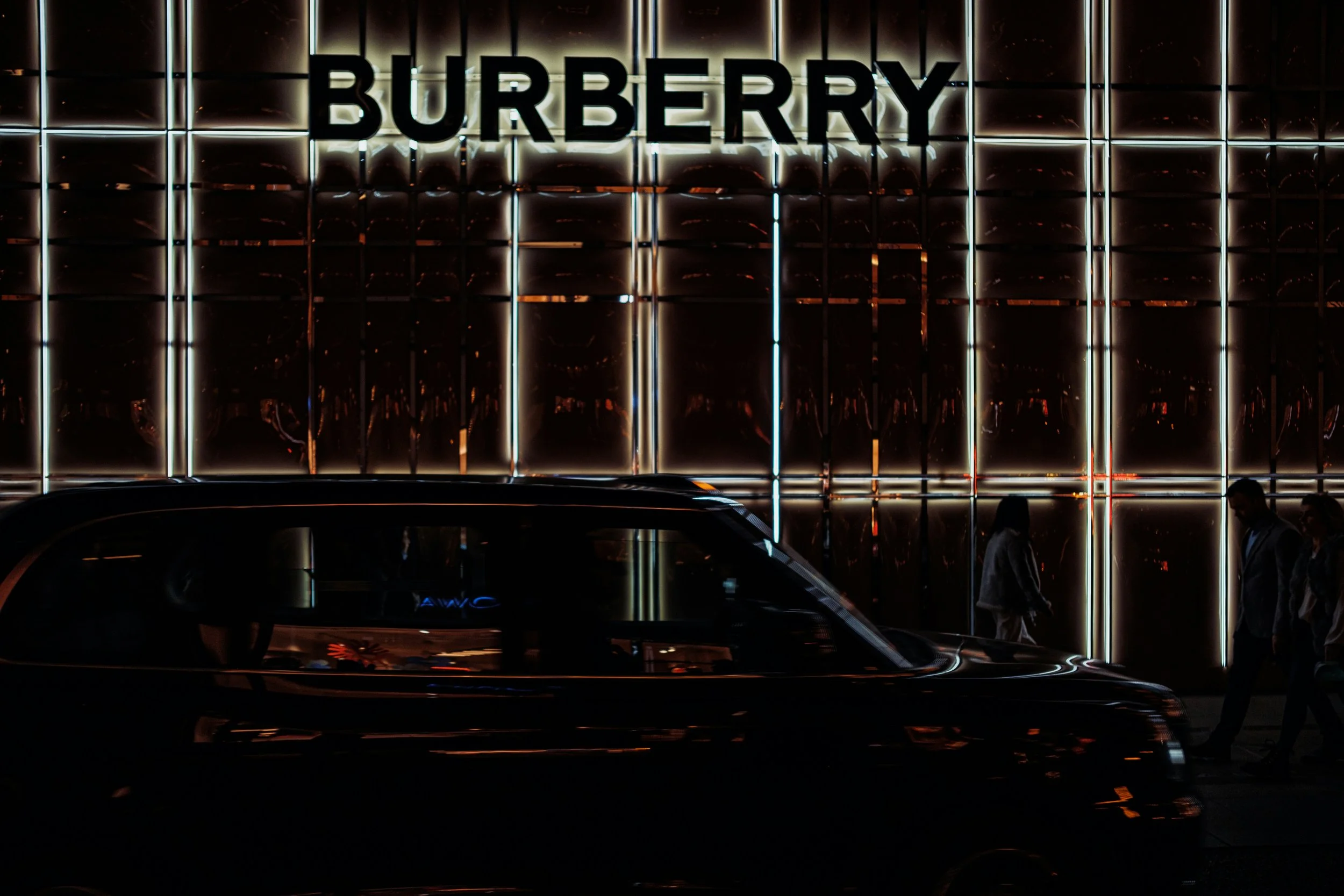
Why Burberry's Name Does Not Stand Next to Hermès and Chanel — Even with 168 Years of Heritage
Burberry has more heritage than many luxury houses, yet it does not occupy the same symbolic tier as Hermès or Chanel. This analysis explains how licensing, outlet exposure, creative instability, and weakened control over the Burberry check damaged the brand’s luxury authority.

What Miu Miu's Shanghai Project Actually Teaches Independent Founders.
In June 2026, Miu Miu opened Tales and Tellers inside a 1955 Soviet-era building in Shanghai. It was not a product launch. It was the third iteration of a fifteen-year archive, reanimated as a living institution. The gap between Miu Miu and an independent founder is not budget. It is sequence. Credibility before product. Body of work before campaign. This is how cultural authority is actually built, and why the order cannot be reversed.
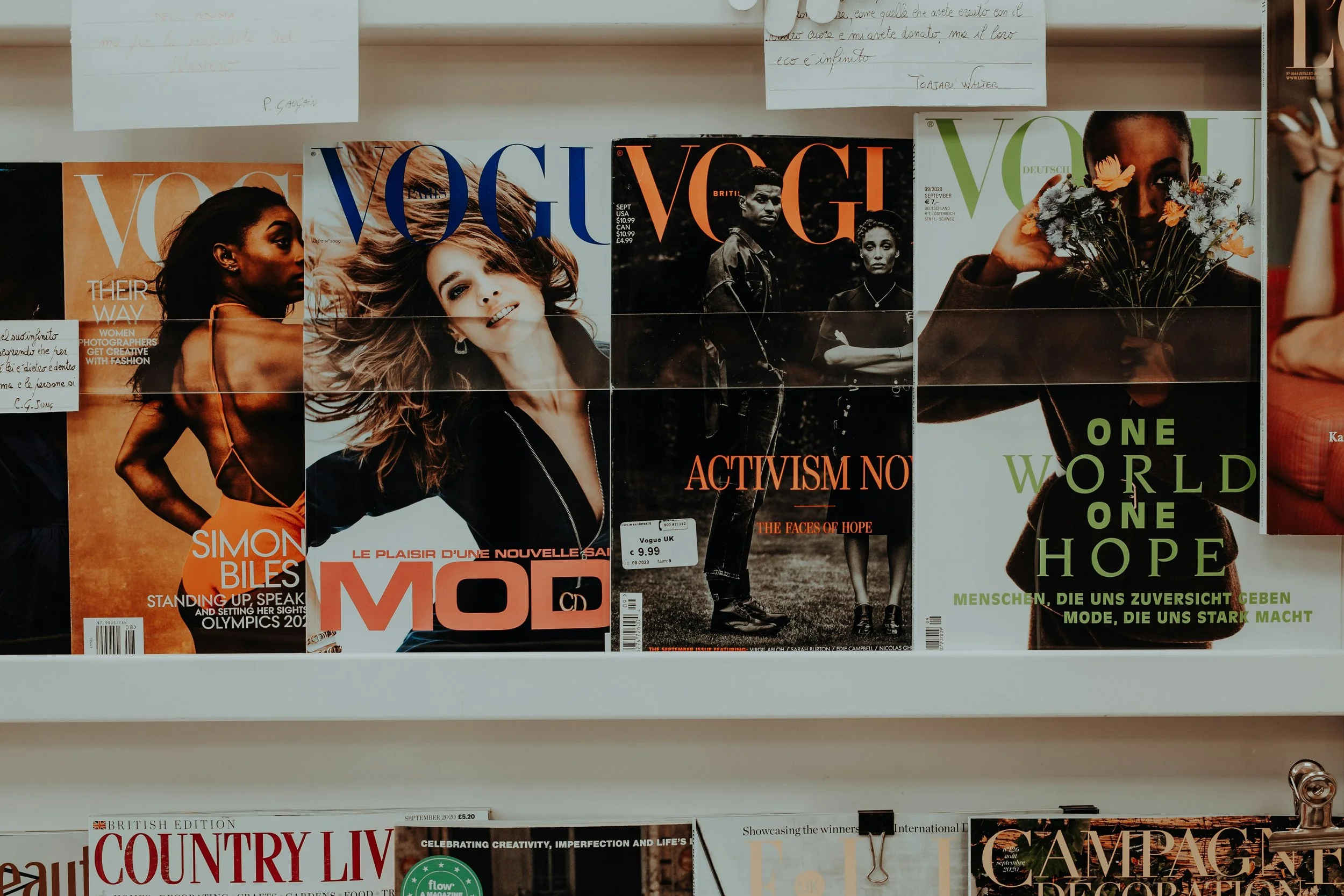
The Attention Economy Is Collapsing. Here Is What Luxury Brands Are Building Instead.
Luxury brands are no longer competing only for attention online. As consumers pull away from digital overload, the major houses are building physical experiences that turn visibility into memory. From pop-ups and cafes to print and private rooms, this piece examines why the future of luxury brand strategy is moving from reach to inhabitation.

What Kering’s AGM Actually Teaches Next-Generation Luxury Builders
Kering stood in front of its shareholders in May 2026 and delivered a recovery plan. What it actually delivered was a masterclass in brand erosion. From a recurring operating margin that fell from 27% to 11% between 2022 and 2025, to executive pay now tied to desirability metrics, the AGM made one thing clear: the decisions that destroy luxury desire are never made in crisis. They are made during the growth phase, when the numbers look like validation. This is what the numbers, the strategy, and the silence between the lines actually reveal.
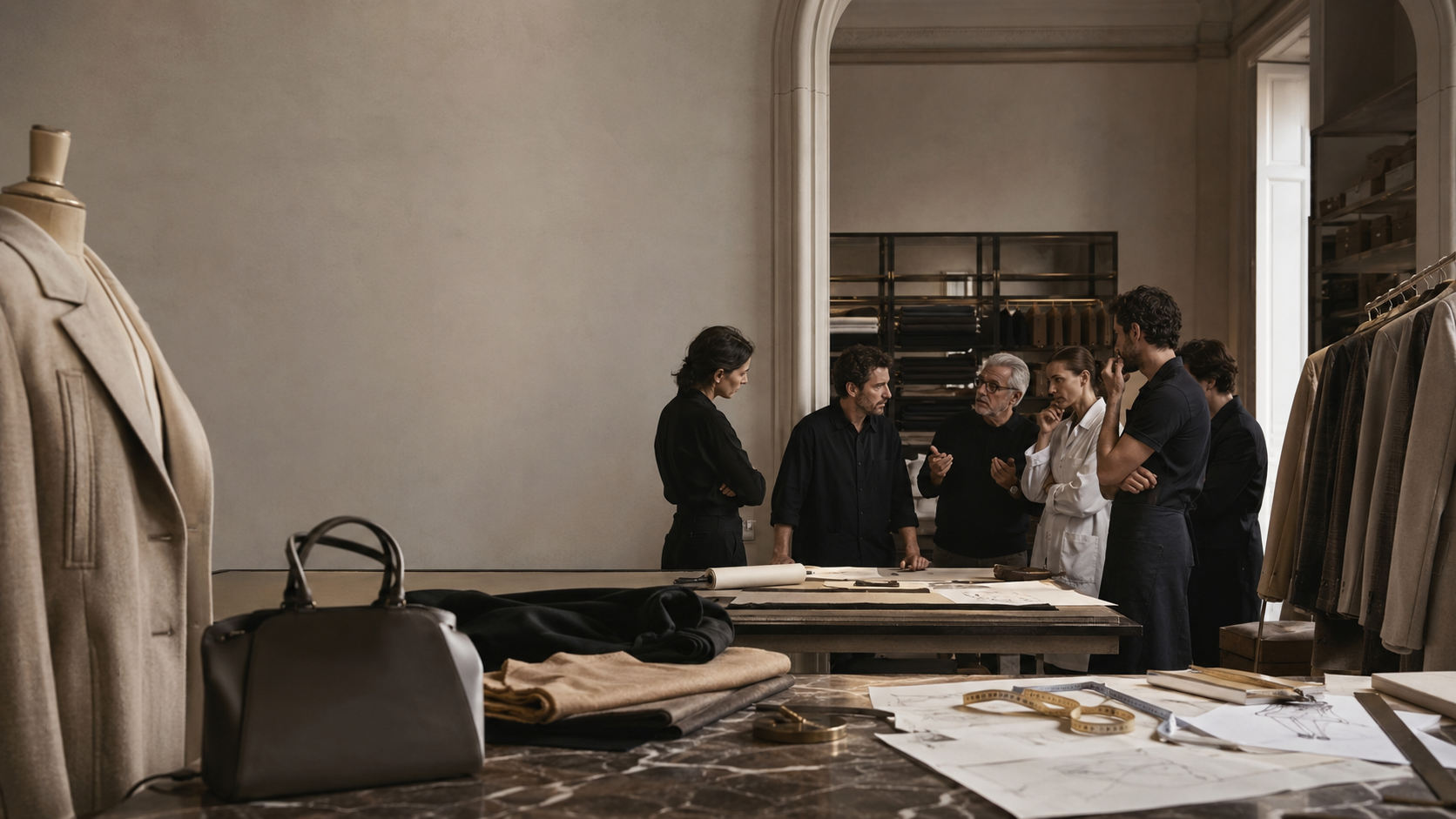
Kering: When Luxury Weakens, the Pressure Moves Backstage
On May 20, 2026, workers across all Kering companies in Italy staged a strike. Participation reached between 70 and 100 percent depending on location. The fashion press reported it as a labor story. It is not. When a luxury group's recurring operating margin falls from 27 percent to 11 percent in three years, when revenue contracts by 25 percent, when a restructuring plan is presented to investors in Florence before the workers who make the products have been told anything, the pressure does not stay in the boardroom. It moves into the factory. This is what that looks like.
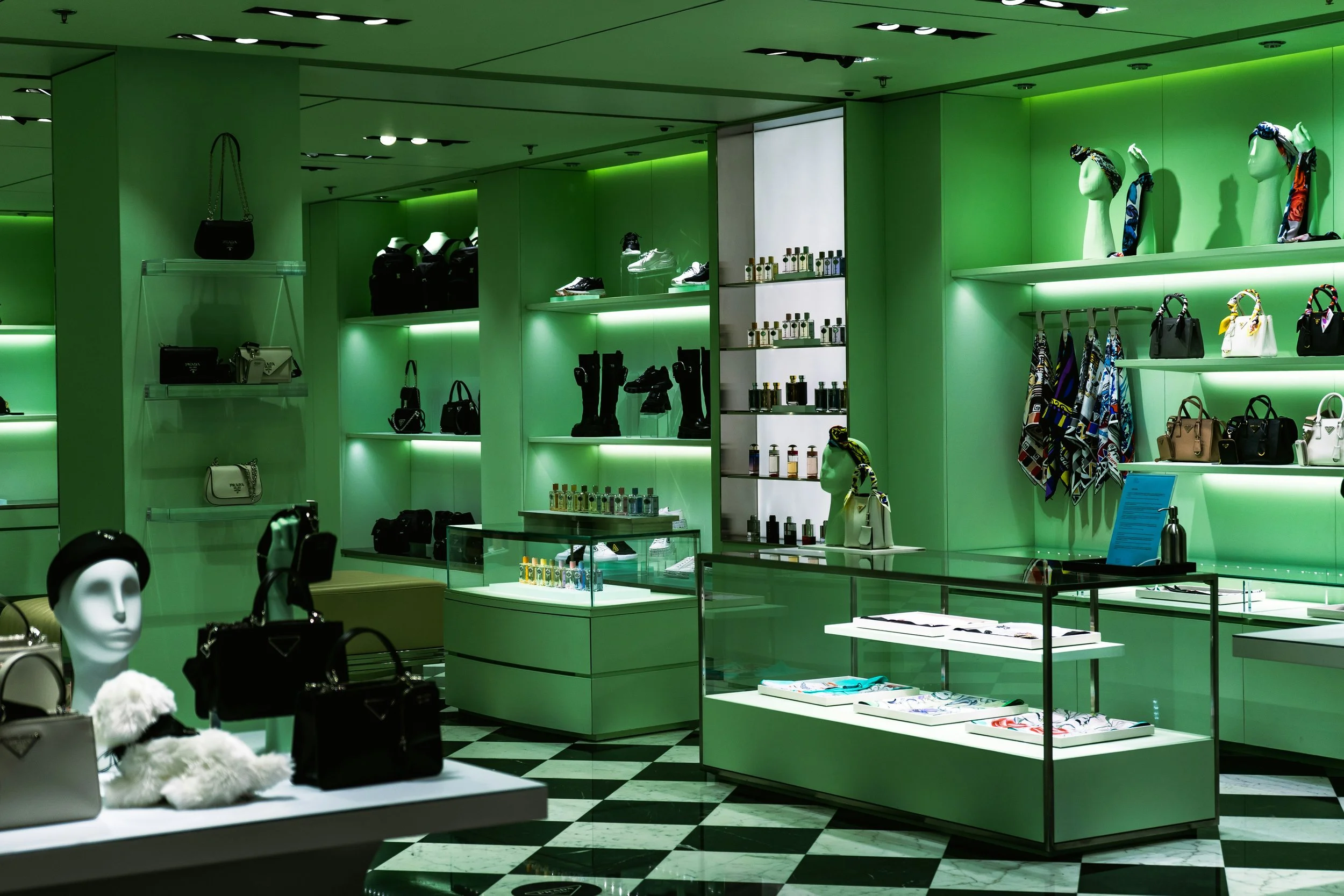
Selling Identity Is Fashion Logic. Controlling It Is How Luxury Builds Pricing Power.
The identity economy is the most cited concept in luxury brand content right now. It is also the most misapplied. Brands do not win by aligning with who their consumer wants to become. The houses with real pricing power are doing something structurally different: they control which identities become worth wanting in the first place. This is the mechanism no one is explaining.
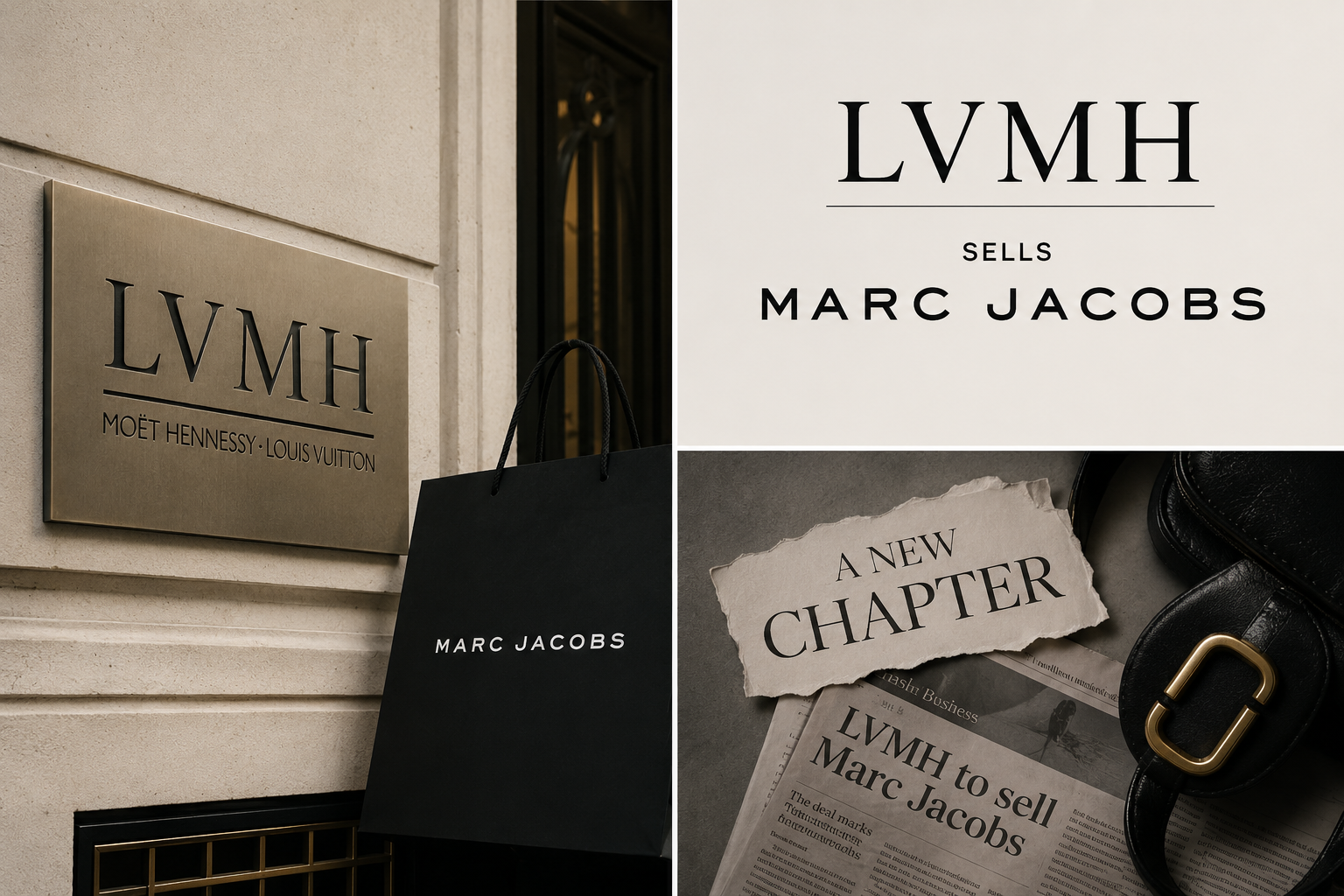
What LVMH Selling Marc Jacobs Actually Reveals About How Luxury Margin Is Built
On May 14, 2026, LVMH sold Marc Jacobs to WHP Global and G-III Apparel Group after nearly 30 years of ownership. The industry called it a surprise. The data says otherwise. This is not a story about a brand that failed. It is a story about two business architectures that cannot coexist inside the same ownership model, and what it reveals about how luxury margin is actually built.
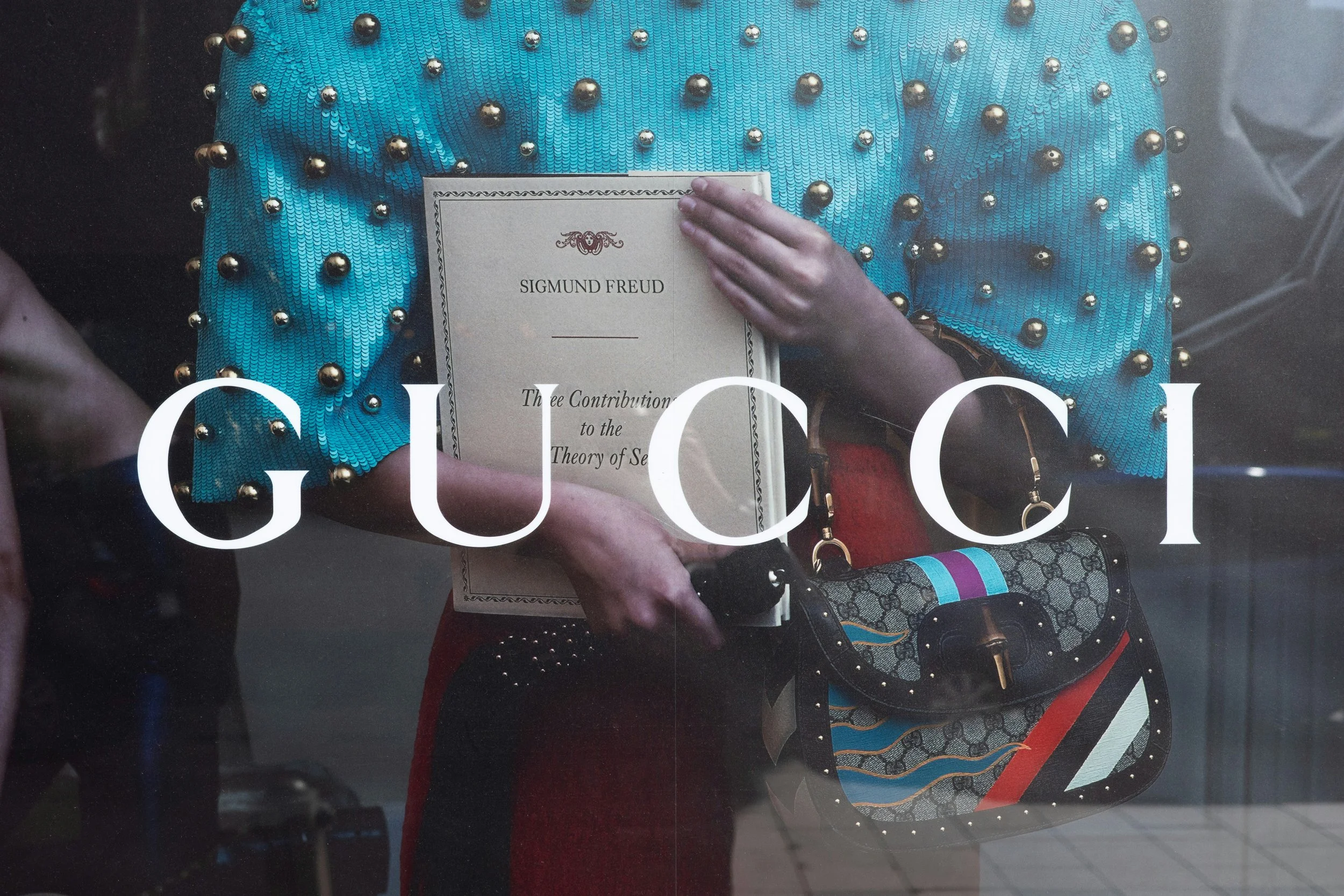
THE CONFIDENCE OPERATION What Gucci's Times Square Show Was Actually Doing
Gucci closed Broadway on May 16, 2026, turned every Times Square billboard into a live runway stream, and sent Tom Brady and Cindy Crawford through the crowd in front of Anna Wintour and Kim Kardashian.
Every fashion publication called it a fashion show.
It was not. It was a confidence operation. And the numbers that preceded it explain exactly why.
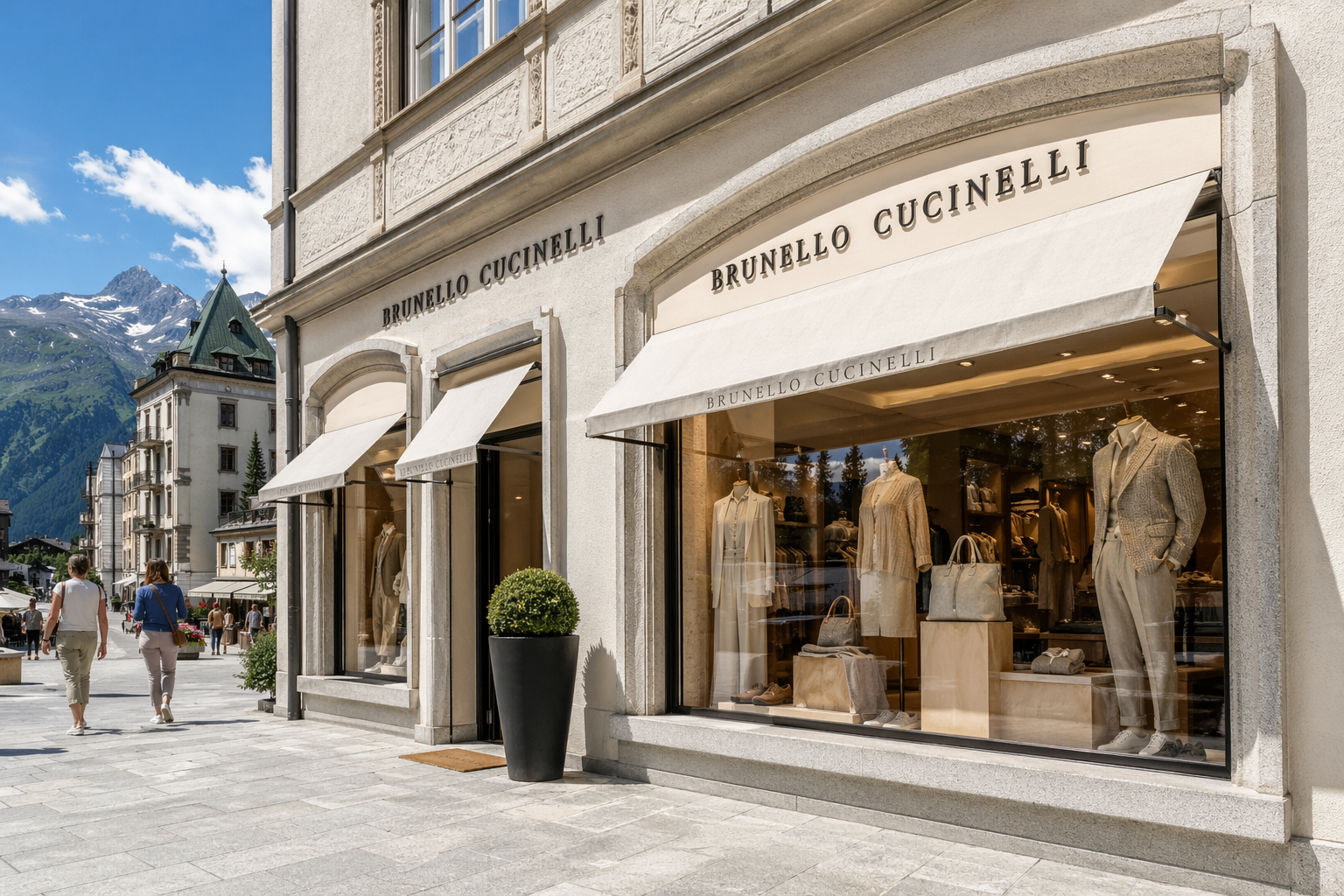
The House That Beats Hermès on Margin Is Not Who You Think
The luxury industry positions Hermès as the unreachable ceiling. The 2025 financial results say otherwise. Brunello Cucinelli is running a higher gross margin than Hermès, for the second year in a row. This is how they built it and what independent founders can learn from the architecture.
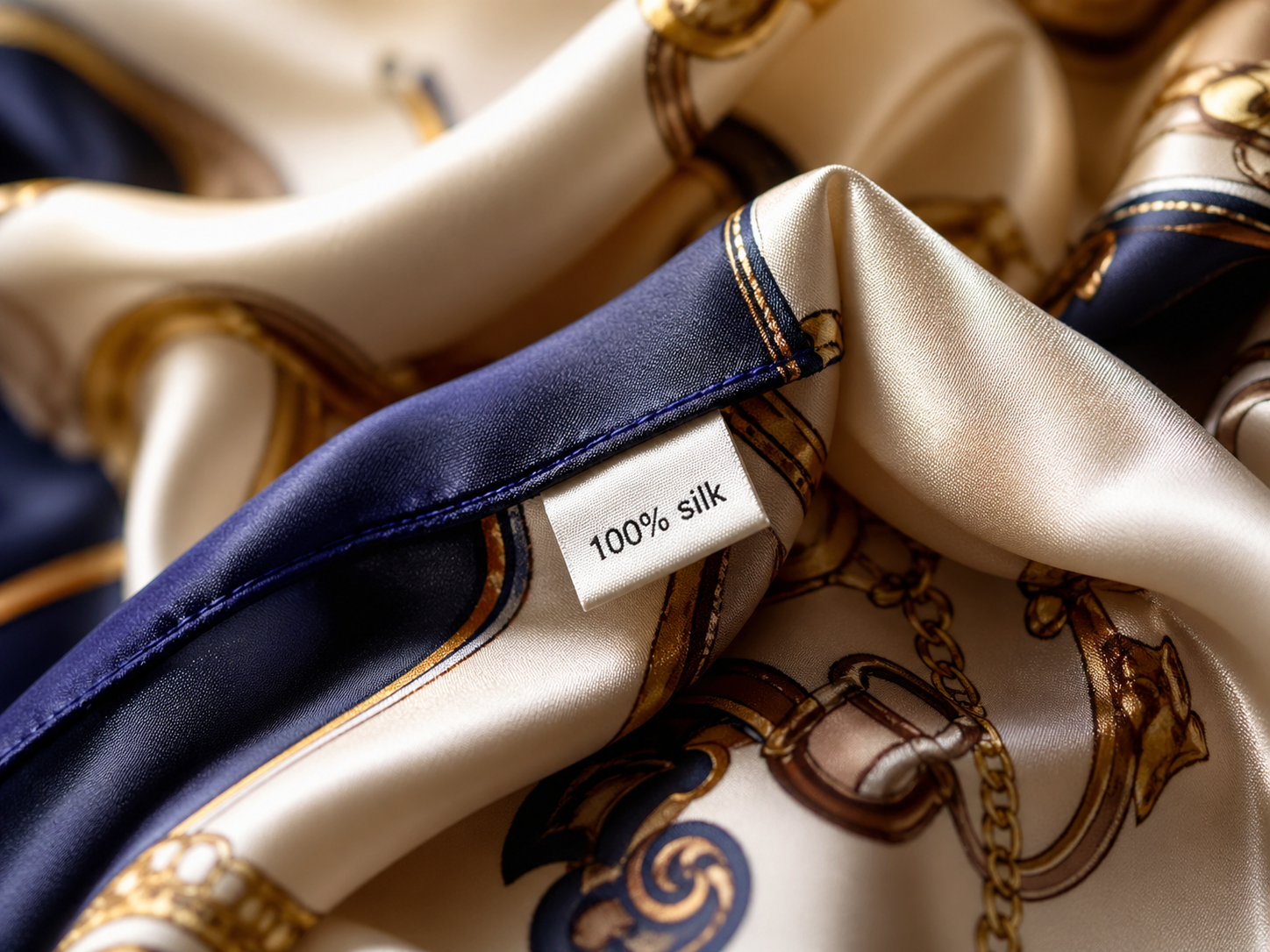
The Fabric Reckoning: Why Fashion’s Next Luxury Signal Is Material Honesty
A generation is reading clothing labels the way they read skincare ingredients. As consumers become more aware of fibers, finishes, and what touches their skin, fashion’s value system is shifting. This essay explores why material honesty is becoming a new luxury signal — and why mid-market brands may be best positioned to win the trust luxury has priced out and fast fashion has lost.
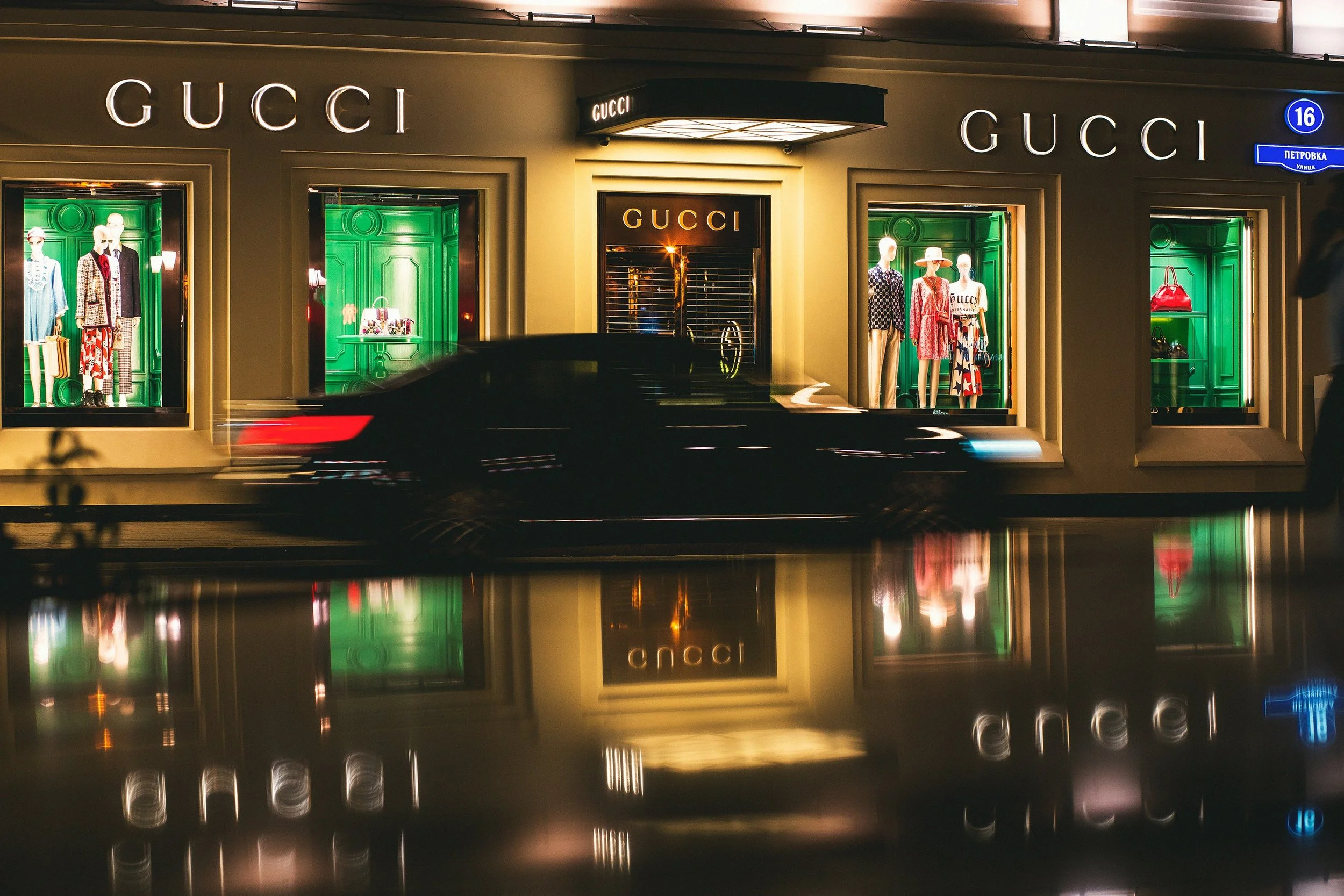
The Distribution Trap: What Gucci's €10 Billion Era Actually Proves
This piece deconstructs the distribution logic behind Gucci's most commercially successful era and why the same architecture that generated €10.5 billion made the brand's current crisis inevitable. Using verified data from Kering investor presentations, Business of Fashion reporting, and publicly available financials, it traces the exact moment the Michele growth model became a structural liability — and what the sell-through collapse from 52 to 37 percent under De Sarno actually measures. The conclusion is not about Gucci. It is about the decision every independent founder makes before their first stockist, their first gifting, their first price point and why those decisions are not logistics. They are positioning, made permanent.