Why Luxury Brands Are Quietly Rebuilding Their Future in China

If you step back and look at what Chanel and Dior are doing in China, it becomes clear that this has very little to do with retail performance in the short term.
Luxury houses do not invest in public libraries, permanent architecture, and large-scale cultural spaces because they expect immediate commercial returns. They do it when they are thinking about legitimacy, permanence, and long-term influence.
China is one of the few markets where those three things still matter deeply.
Over the next two decades, China is expected to remain one of the most important luxury markets in the world. At the same time, it is also one of the most complex.
Consumer sophistication is rising, government oversight is strong, and cultural contribution is closely tied to trust and access. In this environment, being visible is not enough. Being respected is far more valuable.
This is the context in which moves like Chanel’s public contemporary art library and Dior’s House of Dior Beijing should be understood.
Cultural Investment as a Signal of Long-Term Commitment
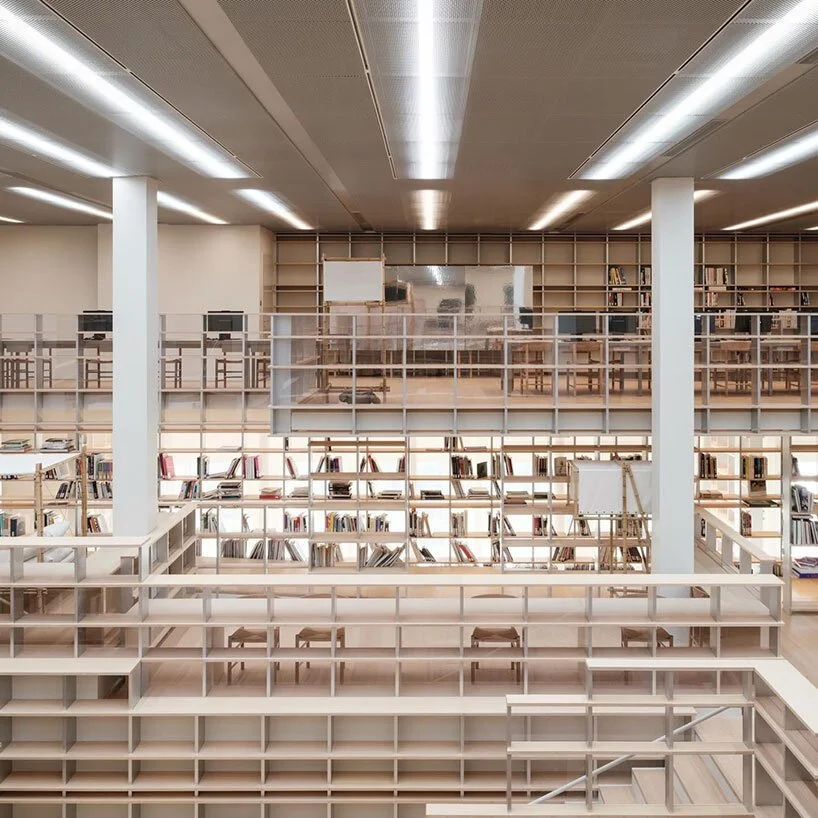
In China, cultural institutions carry a level of authority that commercial entities rarely achieve on their own. Museums, libraries, and educational spaces are associated with knowledge, continuity, and social contribution.
When a foreign luxury house is allowed to operate in this space, especially in a public, non-commercial format, it signals a level of institutional trust.
Chanel’s decision to open a public library dedicated to contemporary art is particularly telling. Books, archives, and educational spaces are not fast or flexible investments.
They are slow by design. They require maintenance, curation, and long-term responsibility. Choosing this format communicates seriousness and restraint — two qualities that are highly valued in Chinese cultural logic.
Rather than positioning itself as a brand seeking attention, Chanel places itself alongside institutions that shape taste and intellectual life. Over time, this reframes how the brand is perceived. It becomes less about seasonal collections and more about cultural presence.
Architecture as Authority, Not Marketing
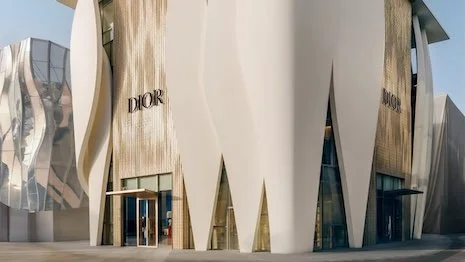
Dior’s Beijing project follows a similar logic, but expressed through architecture rather than education.
A five-story sculptural building does not function like a traditional store.
It establishes physical permanence and symbolic weight.
Architecture, especially at this scale, becomes part of the city itself. It enters public memory. It signals that the brand expects to remain relevant for decades, not just quarters. This kind of confidence resonates in a market that values endurance and continuity.
Importantly, these spaces do not need to convert visitors into buyers. Their role is to anchor perception. Once a brand occupies a cultural or architectural landmark, its products benefit indirectly through elevated meaning and trust.
The Shift in Chinese Luxury Consumption
Chinese luxury consumers, particularly younger generations, are increasingly driven by cultural literacy rather than overt status signaling. Education, art, and intellectual fluency are becoming key markers of refinement. Loud branding and aggressive visibility are losing effectiveness among this audience.
Cultural spaces allow luxury brands to align themselves with these values organically. They provide environments where engagement happens without transactional pressure. This creates a more sophisticated relationship between brand and consumer, one based on shared values rather than persuasion.
Over time, this builds a deeper form of loyalty — one that is less vulnerable to trends, economic cycles, or shifts in taste.
Why China Rewards This Strategy
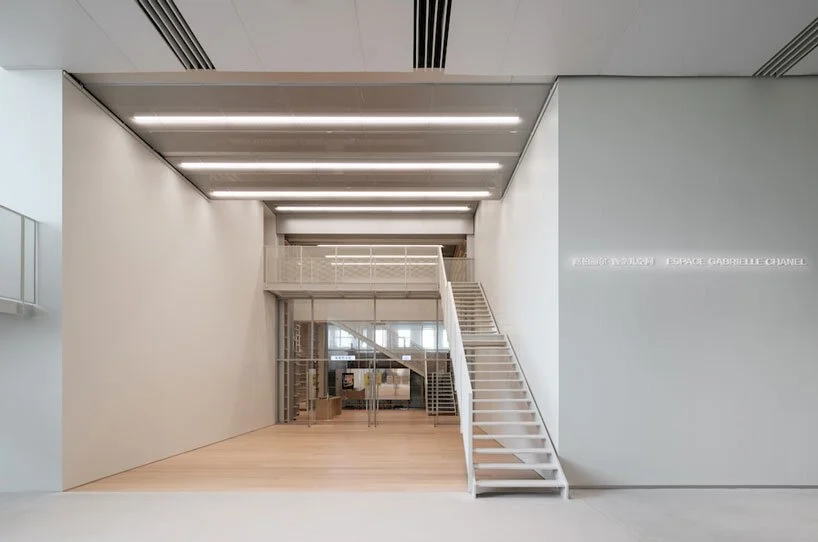
China’s relationship with foreign brands is shaped by contribution, not just consumption. Brands that invest in local creative ecosystems, education, and cultural life are more likely to earn long-term relevance and operational stability.
From a strategic perspective, this makes cultural investment one of the most effective ways to secure future access to the market. It aligns brand interests with broader societal values and reduces the perception of purely extractive commerce.
Luxury houses that understand this dynamic are positioning themselves not as external players, but as participants in China’s cultural landscape.
What This Means for Luxury as a Category
These moves signal a broader evolution in luxury itself. As markets mature and consumers become more discerning, traditional tools like advertising, influencer partnerships, and product launches become less effective on their own.
Luxury brands are responding by building structures that outlast trends — physical, intellectual, and cultural foundations that sustain relevance over generations.
This is not a rejection of commerce, but a reordering of priorities. Culture comes first. Products follow.
What Chanel and Dior are doing in China is not about visibility or growth acceleration. It is about securing a place in the future.
By investing in culture, education, and architecture, these houses are positioning themselves as enduring institutions rather than transient brands. In a market that values permanence, that distinction makes all the difference.
For luxury brands thinking long-term, China is not just a market. It is a proving ground for whether a brand can evolve into something that lasts.
Orisé Atelier works with luxury brands that think in decades, not quarters.
If your brand is navigating cultural positioning, market expansion, or long-term prestige strategy, Orisé provides private strategic advisory rooted in luxury psychology and institutional thinking.
