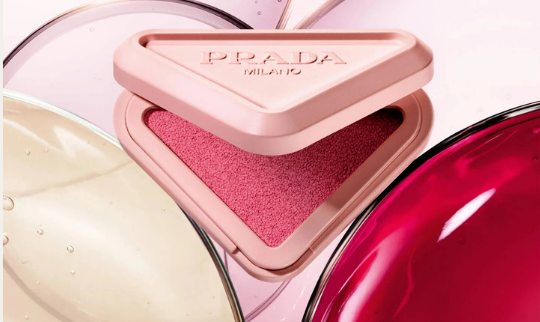
How Prada Beauty Is Rewriting the Makeup Playbook
Prada launched its first blush in March 2026. The beauty industry called it a product launch. It is something more precise: a case study in coordinated signal architecture. Every decision — product form, distribution sequence, physical experience, ambassador selection — pointed at the same thing simultaneously. This is what coherence looks like at house level. And coherence, unlike a celebrity contract or a Sephora partnership, is available to any founder willing to build it.
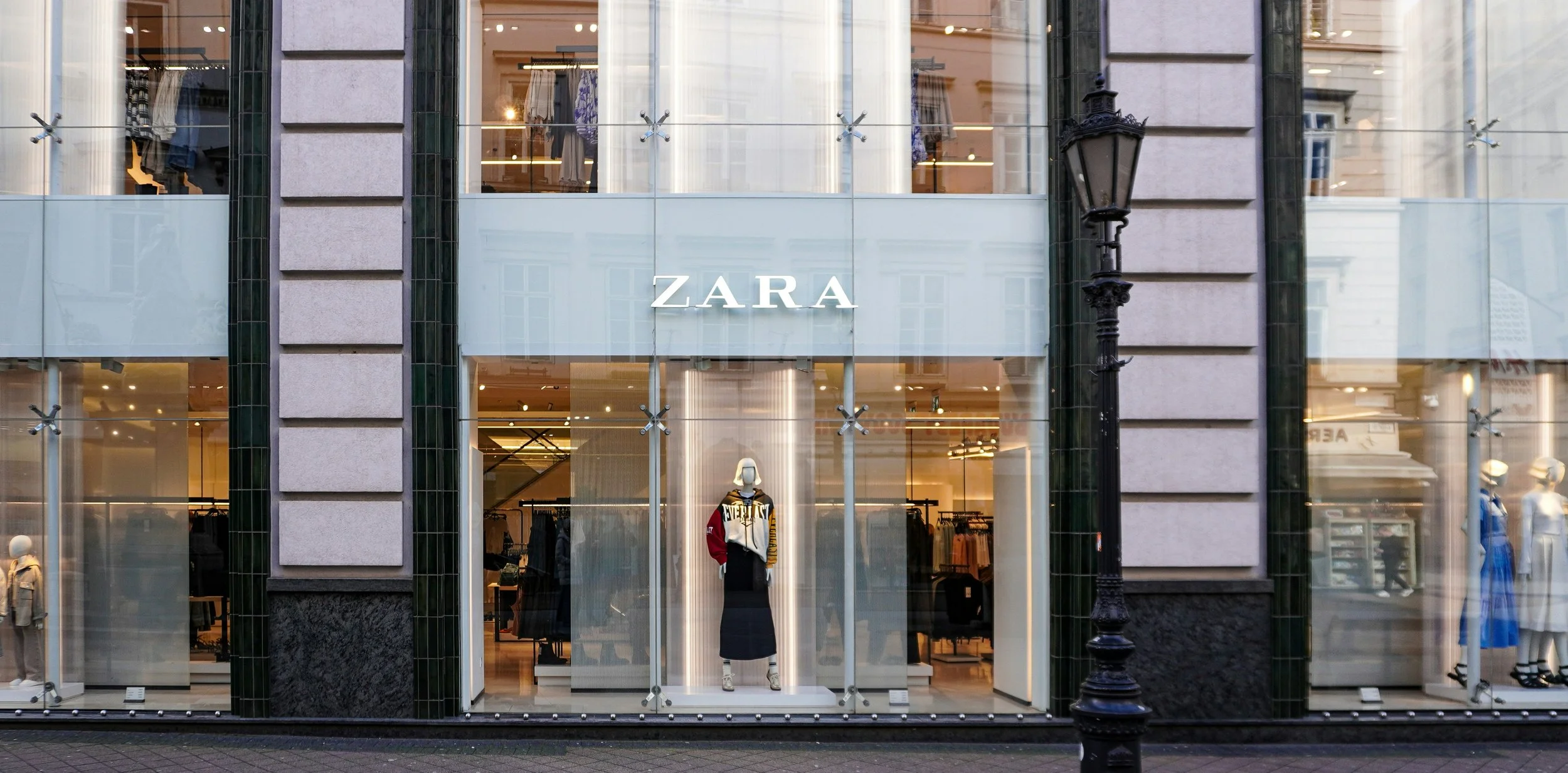
How Zara Captures the Feeling of Luxury Without Its Architecture
There is a question the fashion industry rarely answers directly. If a brand hires Steven Meisel. If Fabien Baron directs the campaigns. If the tweed reads Chanel and the maxi bow sandals read JW Anderson and the silk frock coat reads couture. At what point does the image become the brand? And if the image can become the brand, what exactly is the underlying architecture protecting?
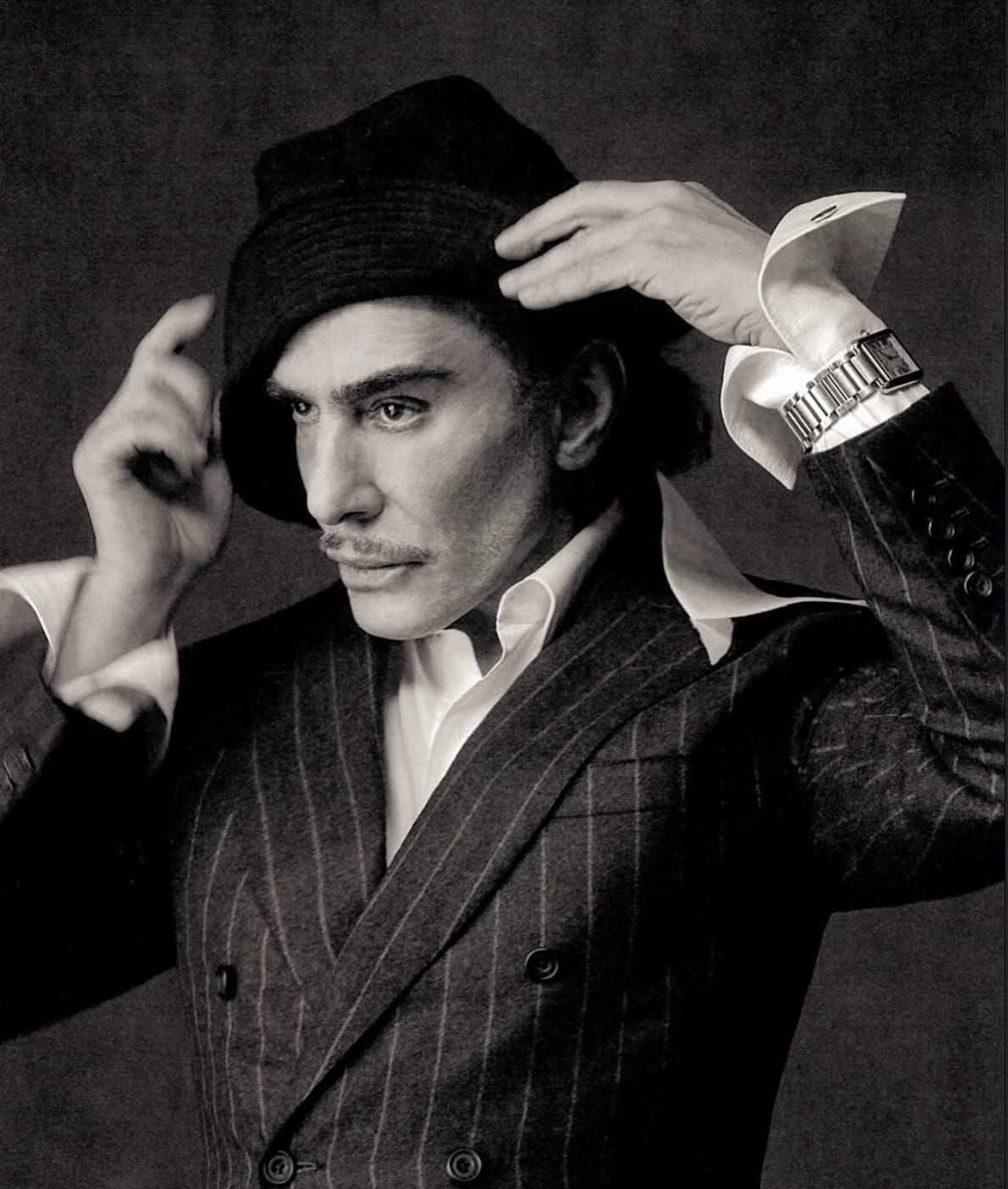
Galliano x Zara. What No One Is Talking About.
The luxury world had 18 months to place Galliano at a major house after Margiela. No comparable appointment became public. The Zara partnership entered that space. This is not a story about a collab. It is a story about how luxury prestige actually works.
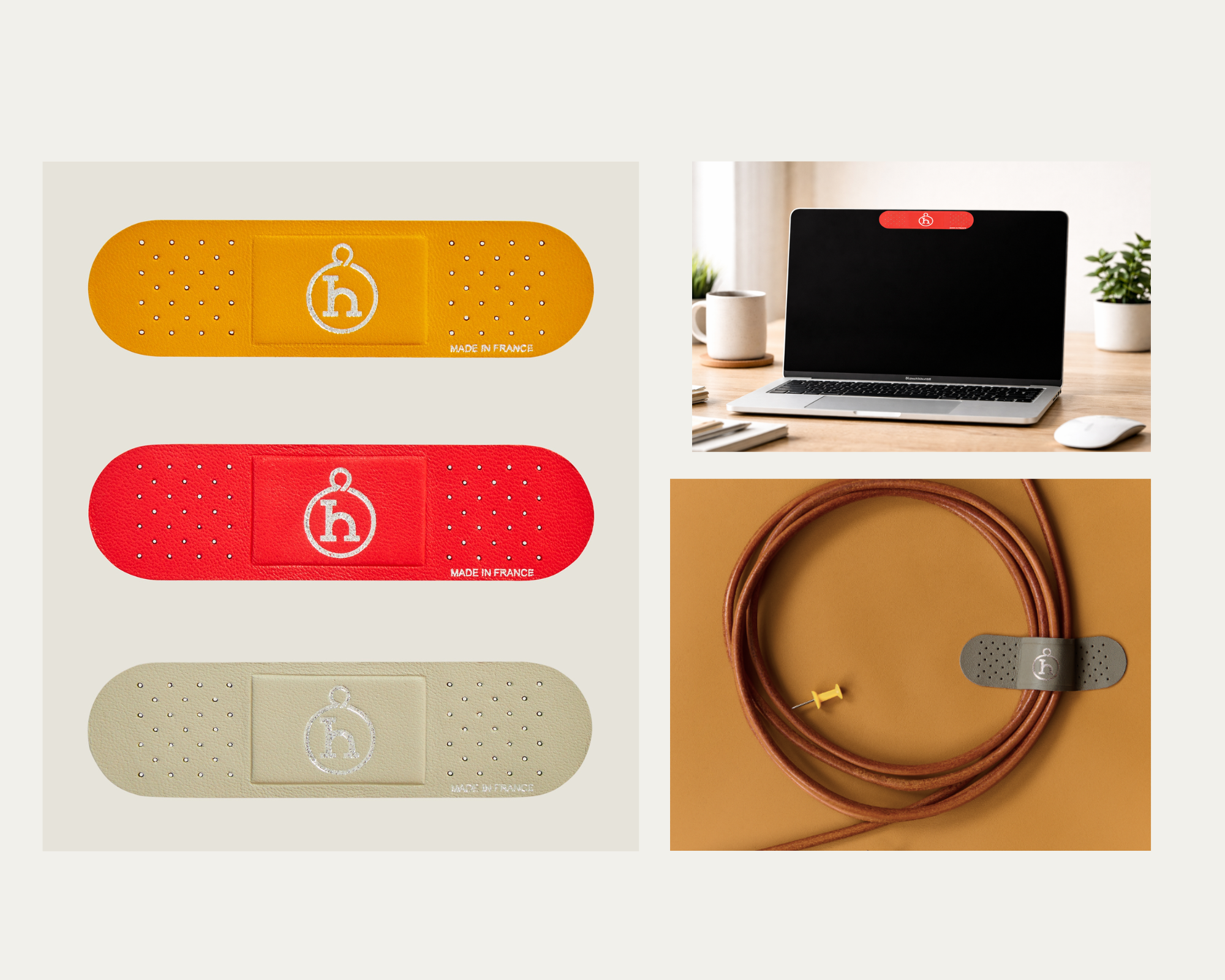
How Hermès Converts Material Residue into High-Margin Symbolic Objects
In December 2025, Hermès released leather patches priced at £150. They were small, simple, and quickly sold out. Most people focused on the object. But the real story was the system behind it.
Through its Petit h program, Hermès transforms leftover leather from Birkin and Kelly production into new products. Material that would normally be considered waste becomes a new source of revenue, without discounting or weakening the brand.
At Hermès, value does not come from size or function. It comes from symbolic authority. Even the smallest piece of leather carries the full weight of the house.
This is how Hermès turns material residue into high-margin symbolic objects.
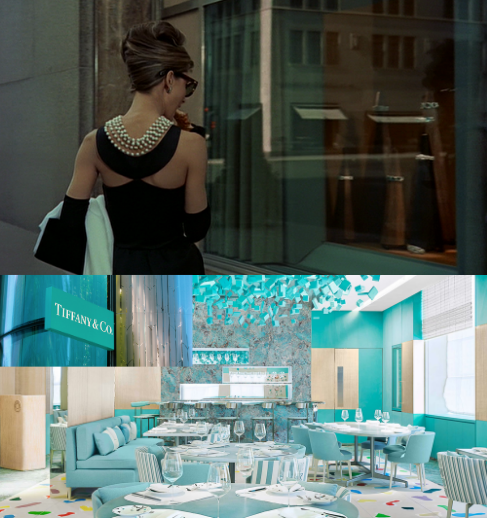
Why Luxury Brands Are Opening Cafés: The Hidden Retail Strategy Behind Hospitality
Luxury brands are no longer relying solely on stores to sustain engagement and conversion. As foot traffic becomes less predictable and customer acquisition costs rise, hospitality has emerged as a structural retail strategy. Cafés and restaurants allow individuals to enter the brand environment without purchase pressure, strengthening familiarity, identity alignment, and future conversion probability. This analysis examines how hospitality stabilizes engagement, reduces psychological barriers, and extends the economic function of flagship retail in modern luxury.
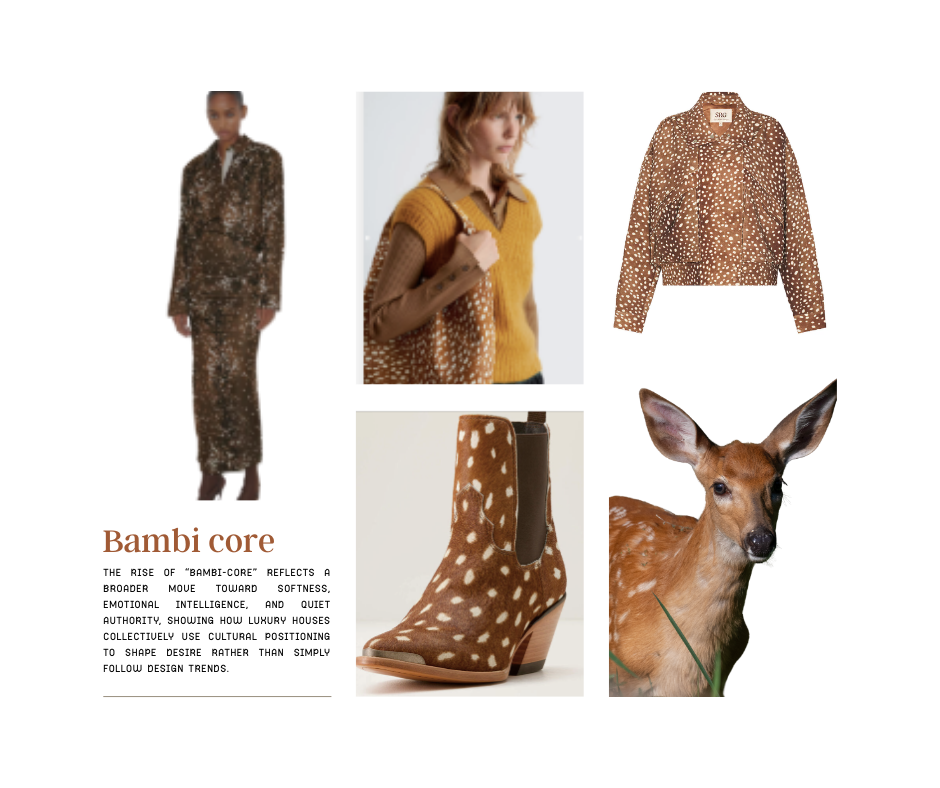
How Luxury Brands Use Cultural Positioning to Create Trends That Dominate the Market
Luxury brands don’t create trends randomly; they read cultural moods and translate hidden emotional shifts into aesthetics, using symbolism to redefine what status and power look like in each era. The rise of “Bambi-core” reflects a broader move toward softness, emotional intelligence, and quiet authority, showing how luxury houses collectively use cultural positioning to shape desire rather than simply follow design trends.
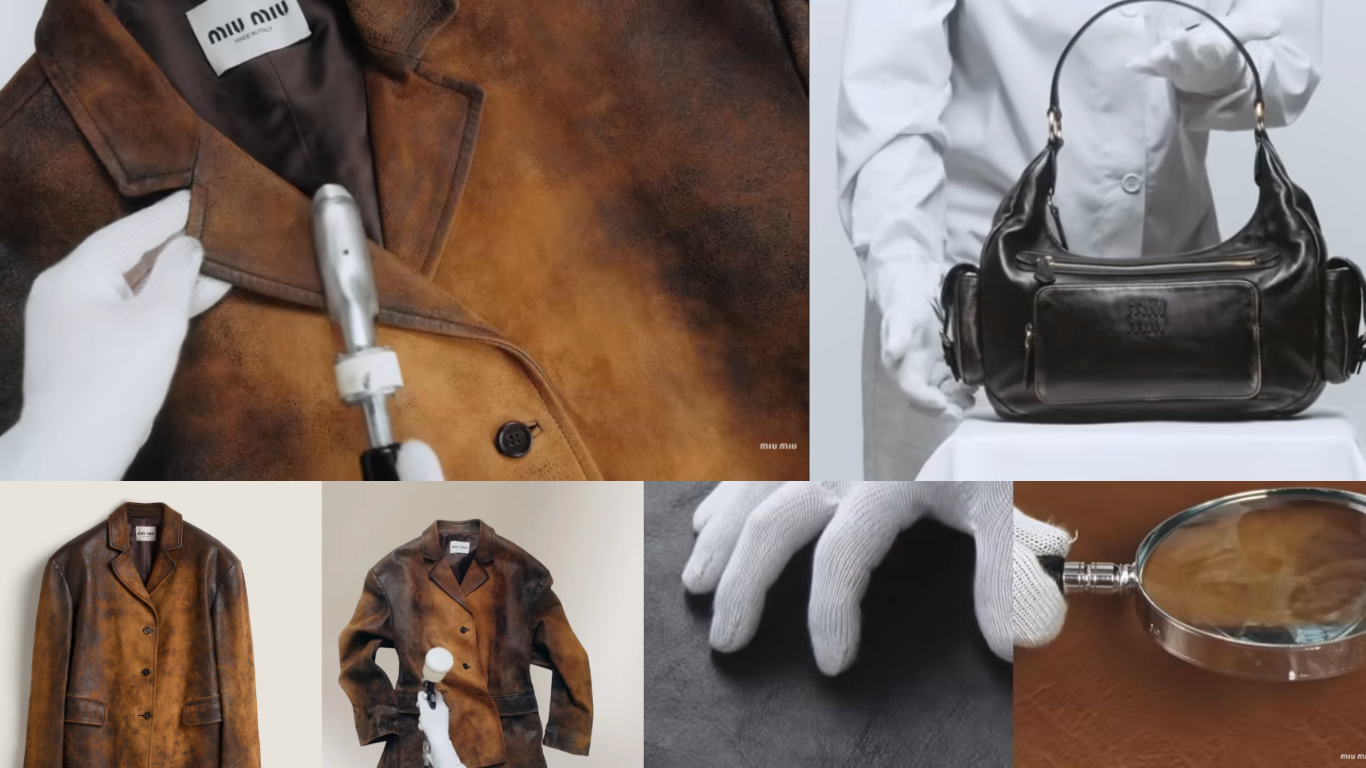
The Psychology Behind Miu Miu’s Ageing Leather Campaign
In early 2026, Miu Miu presented a campaign that reframed luxury away from perfection and toward duration. By foregrounding ageing leather, wear, and softness, the brand shifted value from flawless surfaces to temporal authority. The work signals a deeper psychological change in modern luxury: status expressed through ease, continuity, and lived presence rather than preservation. This piece examines how time, permission to use, and personal authorship have become the new markers of elite positioning and why only brands with established cultural authority can make this transition convincingly.
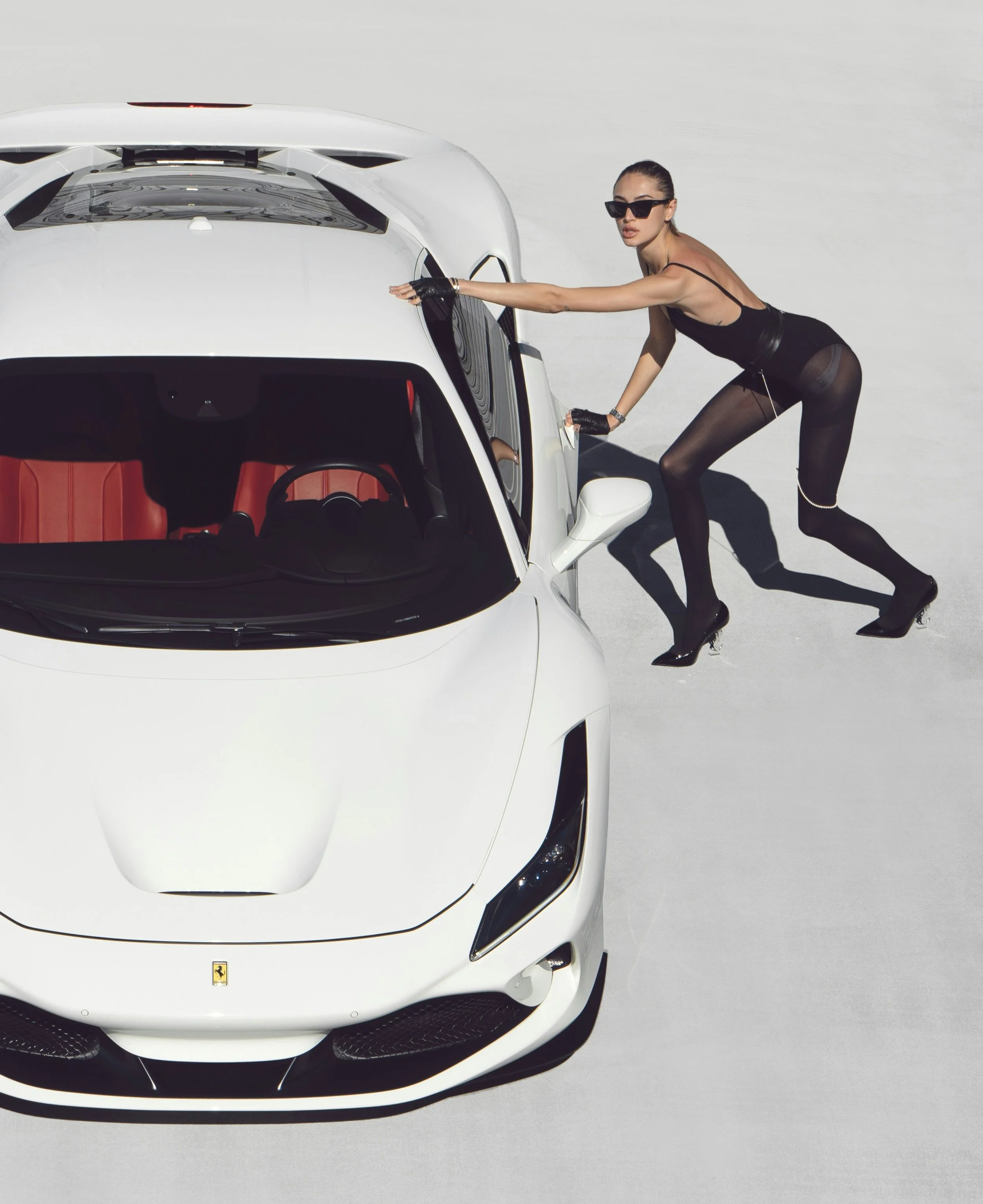
Most Copywriting Advice Is Wrong for Luxury Brands
Most copywriting advice is designed for persuasion, not luxury. This essay explains why traditional copywriting frameworks fail high-end brands, how luxury language actually works, and why restraint, hierarchy, and recognition matter more than conversion tactics.
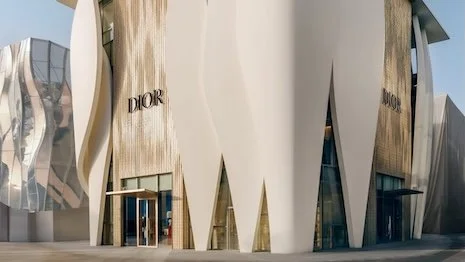
Why Luxury Brands Are Quietly Rebuilding Their Future in China
An analysis of how Chanel and Dior are investing in culture and architecture to build lasting legitimacy and influence in China’s luxury market.
Why Most Brands Will Never Be Luxury
Most brands fail to become luxury not because of effort, but because they lack time, scarcity, and cultural authority. This piece breaks down the buying psychology and structural realities behind true luxury brands.
Why Sustainable Luxury Brands Are Failing And It’s Not Because of Marketing
Why sustainability struggles in luxury when identity, heritage, and symbolism are missing.
Luxury Doesn’t Tell Stories, It Builds Myths
Why storytelling explains, but mythology transforms and how luxury brands rule through belief, not narratives.