How Zara Captures the Feeling of Luxury Without Its Architecture
Brand Architecture Psychology Case Study
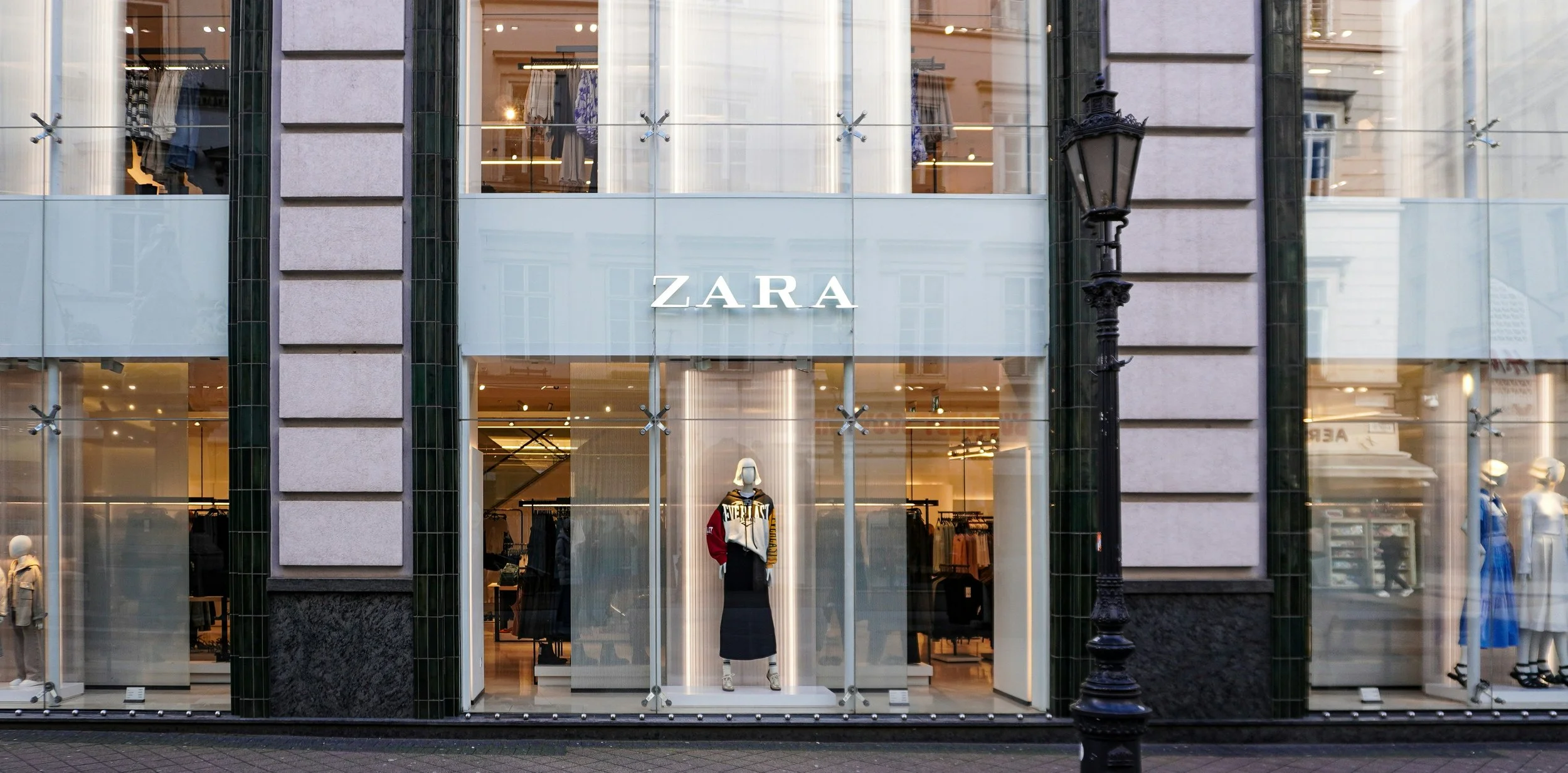
Zara can label dozens of products "Limited Edition" on a single page. Steven Meisel shoots their campaigns. Fabien Baron directs them. The same stylists who work Vogue editorials, the same models who walk Prada. And yet Zara is not a luxury brand. So what is actually happening here, and why does it matter for every founder trying to build real brand equity?
Orisé Atelier Editorial March 2026 Brand Architecture
There is a question the fashion industry rarely answers directly.
If a brand hires Steven Meisel to shoot its campaigns. If Fabien Baron directs them. If the set design evokes peeling antique walls and iron bed frames and dusty European interiors. If the models are named individually in captions, exactly the way Vogue names them. If the tweed reads Chanel and the maxi bow sandals read JW Anderson and the silk frock coat reads couture.
At what point does the image become the brand?
And if the image can become the brand, what exactly is the underlying architecture protecting?
This is the question Zara Studio forces every luxury founder to answer. Not because Zara is becoming luxury. But because Zara has systematically decoded every signal that makes luxury feel like luxury, and is deploying those signals at industrial scale. Understanding how they are doing it, where it works, and where it structurally breaks down, is one of the most useful things an independent founder can study right now.
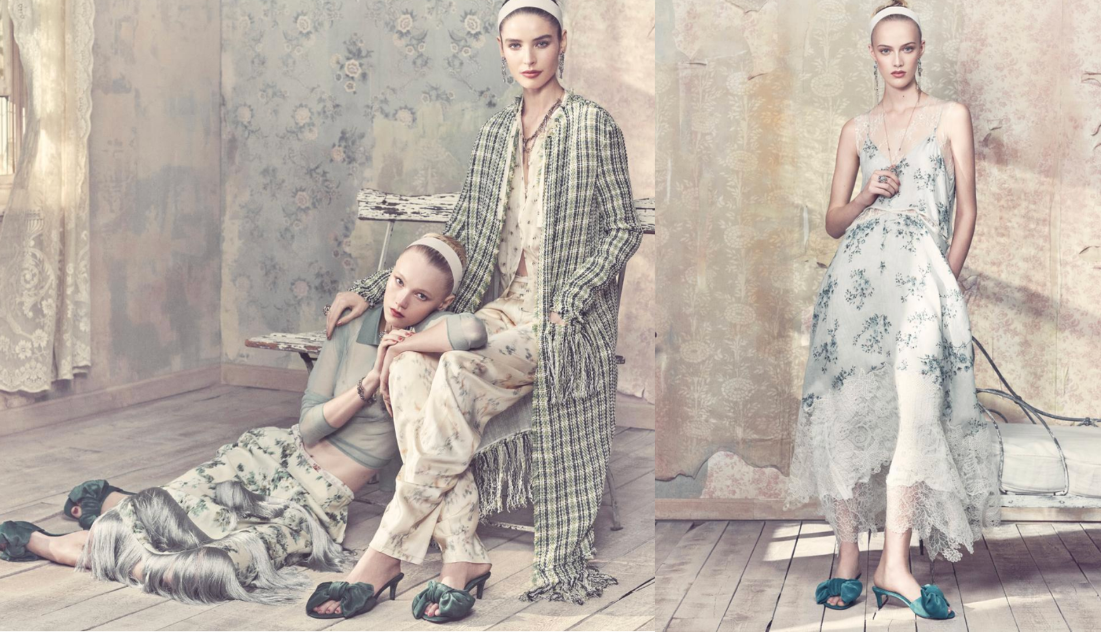
Image courtesy of Zara Studio
I.
The Signal Infrastructure Zara Has Built
Start with the campaigns, because this is where the semiotic borrowing is most visible and most sophisticated.
For its Studio line, Zara has assembled its creative team from the same prestige image-making ecosystem as the heritage houses. Steven Meisel, the photographer whose archives define the visual language of modern luxury, having shot for Vogue Italia, Versace, Prada, and virtually every major house for four decades. Fabien Baron, the creative director behind some of the most iconic luxury campaigns ever produced. Karl Templer on styling. Pat McGrath on makeup. Guido Palau on hair.
The Spring 2025 Studio campaign drew direct inspiration from Richard Avedon's legendary series In the American West. The Fall/Winter 2025 campaign was described by industry observers as better than most high fashion brands. One fashion forum contributor wrote, and this is worth reading carefully: "Meisel's photos create a feeling of timelessness which is almost paradoxical considering the public perception around Zara's products."
Paradoxical. That word is doing significant work. Because what that contributor identified, without naming it directly, is the central mechanism of what Zara Studio is engineered to produce. A dissociation between the image and the object. The image reads timeless. The object is restocked or discontinued within weeks.
For many buyers, the image lands before the price is rationally processed. By the time the rational mind calculates value, the emotional response has already been formed. And that emotional response was shaped by Meisel's lighting, Baron's composition, and a level of visual production most independent designers cannot match across an entire collection cycle.
II.
The Language Architecture: How "Limited Edition" Became Meaningless and Why It Still Works
Go to Zara's new arrivals page right now. Count how many items are labeled "Limited Edition."
The current Studio drop has more than 40 products carrying that designation. Fringed textured jackets. Printed lace dresses. Silk frock coats. Maxi bow heeled sandals. Embossed leather mini totes. Rhinestone necklaces. Even the metallic thread socks say limited edition.
From a strict brand architecture standpoint, this should not work. Scarcity in true luxury is structural. Hermès cannot make more Birkins because the atelier physically cannot produce them at greater volume without compromising the craft. The waitlist is a function of production reality, not marketing language. The scarcity is real.
Zara's scarcity is linguistic. It is a label decision, not a production constraint. There is no physical reason why Zara cannot produce 100,000 units of the fringed textured jacket. The "limited edition" designation is a psychological signal detached from any material constraint.
And yet it can produce a psychologically similar response.
This is what behavioral psychology calls the scarcity heuristic. The brain, when encountering signals of limited availability, generates urgency, elevates perceived value, and accelerates purchasing decisions, regardless of whether the scarcity is real or constructed. The signal triggers the response. The underlying reality does not always need to match for the signal to trigger urgency.
Zara has understood this at an operational level for years. Its two-week product refresh cycle conditions customers to return often and buy quickly, not because Zara tells them to, but because the constant rotation trains a behavioral response. Every visit to the site or store risks confronting a product that was there last week and is gone this week. Whether that disappearance is genuine scarcity or planned rotation is irrelevant to the psychological mechanism it activates.
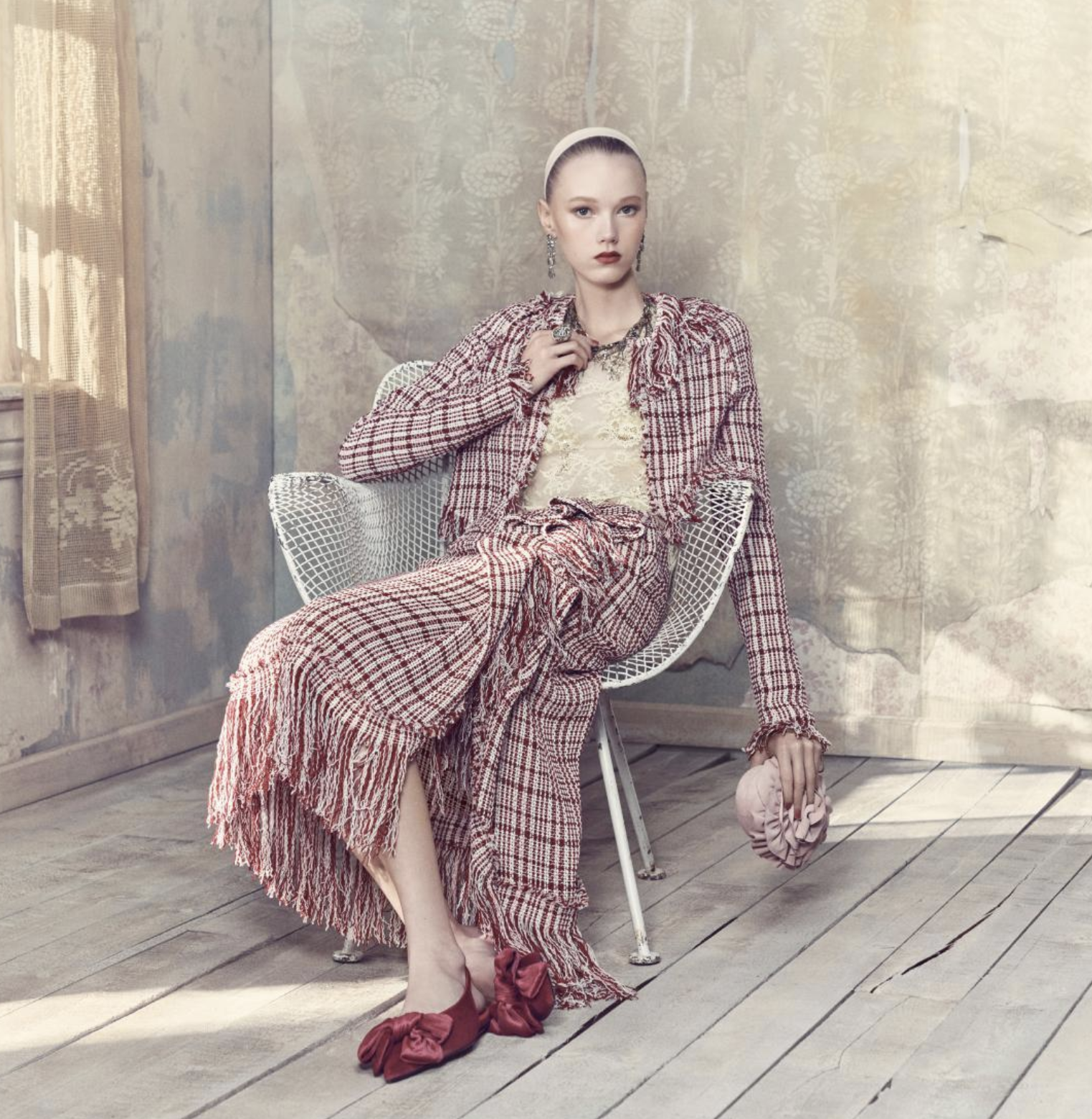
Image courtesy of Zara Studio
III.
The Material Codes. Tweed, Lace, Silk, and the Semiotics of Borrowed Heritage
Now look at the products themselves, because the campaign is only half the story.
The current Studio drop is built around tweed, lace, silk, and what Zara's own product descriptions call "antique style" aesthetics. These are not arbitrary material choices. Each one carries a specific semiotic inheritance from the luxury world.
Tweed is Chanel. Not legally. Not literally. But culturally, tweed as a fashion material carries the associative weight of decades of Chanel brand architecture. When a buyer sees tweed in a fashion context, particularly styled with lace and pearl details and photographed in a heritage-coded setting, the brain retrieves the Chanel association automatically. That association was built by Chanel over decades at significant cost. Zara borrows the signal for the price of the fabric.
Maxi bow sandals with a structured heel, in the colorways and proportions visible in the current Studio drop, sit directly within the visual language of JW Anderson's couture-influenced shoe design. The bow is a couture code. Worn as a maxi statement on a heeled sandal, it carries a specific luxury reference that most buyers will feel rather than consciously identify.
Lace in the Zara context is deployed not as lace lingerie, which is its mass market association, but as lace couture, embedded in tailored structures, layered over suiting, used as trim on frock coats. This repositions the material from its everyday association into its heritage house association.
This is semiotic borrowing at scale. Not copying the garment. Copying the meaning the garment carries. And meaning, unlike a pattern or a silhouette, cannot be legally protected.
Orisé AtelierIV.
The Positioning Gap Zara Is Occupying in 2026
None of this is happening in isolation. Zara is making these moves at a specific moment in the luxury market, and the timing is strategically advantageous.
At the top of the market, heritage luxury houses have spent the past several years in aggressive price escalation that has distanced part of their natural customer base. At the bottom, Shein and Temu have drained younger and more budget-conscious audiences. The middle of the market, aspirational consumers who want to participate in luxury culture but cannot access heritage house pricing, has been left without a credible option.
Zara Studio is engineered to occupy that gap. Its target audience is relatively younger consumers who follow fashion but are not yet at the point of investing in the heritage houses that set the cultural pace.
The strategy extends beyond campaigns. Zara's 50th anniversary celebration featured spectacular locations and fashion-week-level guest lists. The brand has opened premium flagship stores designed to evoke luxury retail environments. It has collaborated with Ludovic de Saint Sernin in late 2025, Stefano Pilati, and now Galliano in March 2026, each partnership borrowing a different strand of luxury creative authority and accumulating them into a broader repositioning narrative.
Zara has long been known for spending unusually little on traditional advertising relative to its peers, while still producing campaigns with outsized cultural reach. The captions on its Studio content carry no promotional language. The restraint, the product-first confidence — these are luxury signals too. And Zara has learned to deploy them in ways closely aligned with the luxury communication playbook.
V.
Where the Architecture Breaks Down
Here is what Zara cannot borrow. And this is the part that matters most for founders.
The signals work. The psychology is real. The campaigns are genuinely extraordinary. And buyers respond. But there is a structural ceiling on what borrowed signals can build, and understanding that ceiling is what separates a brand with equity from a brand with aesthetic.
Time. Luxury prestige is accumulated across decades. It is the product of consistent institutional behavior sustained long enough to produce genuine cultural authority. Chanel's tweed carries the weight it carries because Chanel has been building that association since 1925. Zara can borrow the signal today. It cannot borrow the hundred years of consistent institutional behavior that gave the signal its weight. Every season Zara produces extraordinary campaigns and extraordinary product. Every season it also produces the volume, the turnover, and the ubiquity that work against the authority those campaigns are trying to construct.
Craft narrative. Heritage luxury houses do not just make things. They narrate the making. The atelier, the artisan, the hours, the material sourcing, the generational knowledge. That narrative is not decorative. It is the primary mechanism through which the object acquires meaning beyond its material reality. Zara has no craft narrative because its competitive advantage is speed, not depth. It can produce a tweed jacket in two weeks. It cannot produce the story of why that jacket required two years.
Controlled distribution. True luxury controls where its products live. The Birkin does not appear in airport duty free. Chanel does not sell through department store concessions. Distribution control is brand architecture. Zara's competitive advantage is the opposite: global scale, maximum distribution, constant availability. Those two models are structurally incompatible.
Ownership identity. At the deepest psychological level, luxury purchase is an identity act. The buyer is not acquiring a product. They are acquiring a self-concept. That self-concept is available only because the house has spent decades engineering a world that defines who belongs to it and who does not. Zara Studio can produce the image of that world. It cannot produce the psychological exclusion that gives the identity meaning. When everything is available to everyone, belonging to it means nothing.
VI.
What This Teaches a Founder
The lesson from Zara Studio is not that signals do not matter. They clearly do. The campaigns work. The scarcity language works. The material codes work. Buyers respond.
The lesson is that borrowed signals produce borrowed authority. They can generate sales, awareness, and cultural presence. They cannot generate the thing that luxury is actually selling, which is a credible, defensible, psychological position in a hierarchy that the buyer believes is real.
As an independent founder, you do not have Zara's budget to hire Meisel. You do not have their production infrastructure or their global distribution. But you have something Zara has structurally chosen to sacrifice in exchange for scale: the ability to build genuine institutional architecture.
The craft narrative. The controlled distribution. The time. The consistency. The accumulated meaning that comes from making the same commitment, over and over, across years, in ways that a fast-moving industrial retailer cannot replicate without destroying its own business model.
Zara can borrow the surface of luxury indefinitely. It cannot borrow the depth. That depth is what you are building. Build it like it is the only thing that matters. Because in the long run, it is.
Orisé AtelierOrisé Atelier
Found this analysis valuable?
At Orisé Atelier, we decode luxury brands through structural data and behavioral psychology to reveal how they build authority, sustain demand, and protect long-term performance.
