How Hermès Designs Customer Journeys Differently And What Independent Luxury Founders Can Learn From It
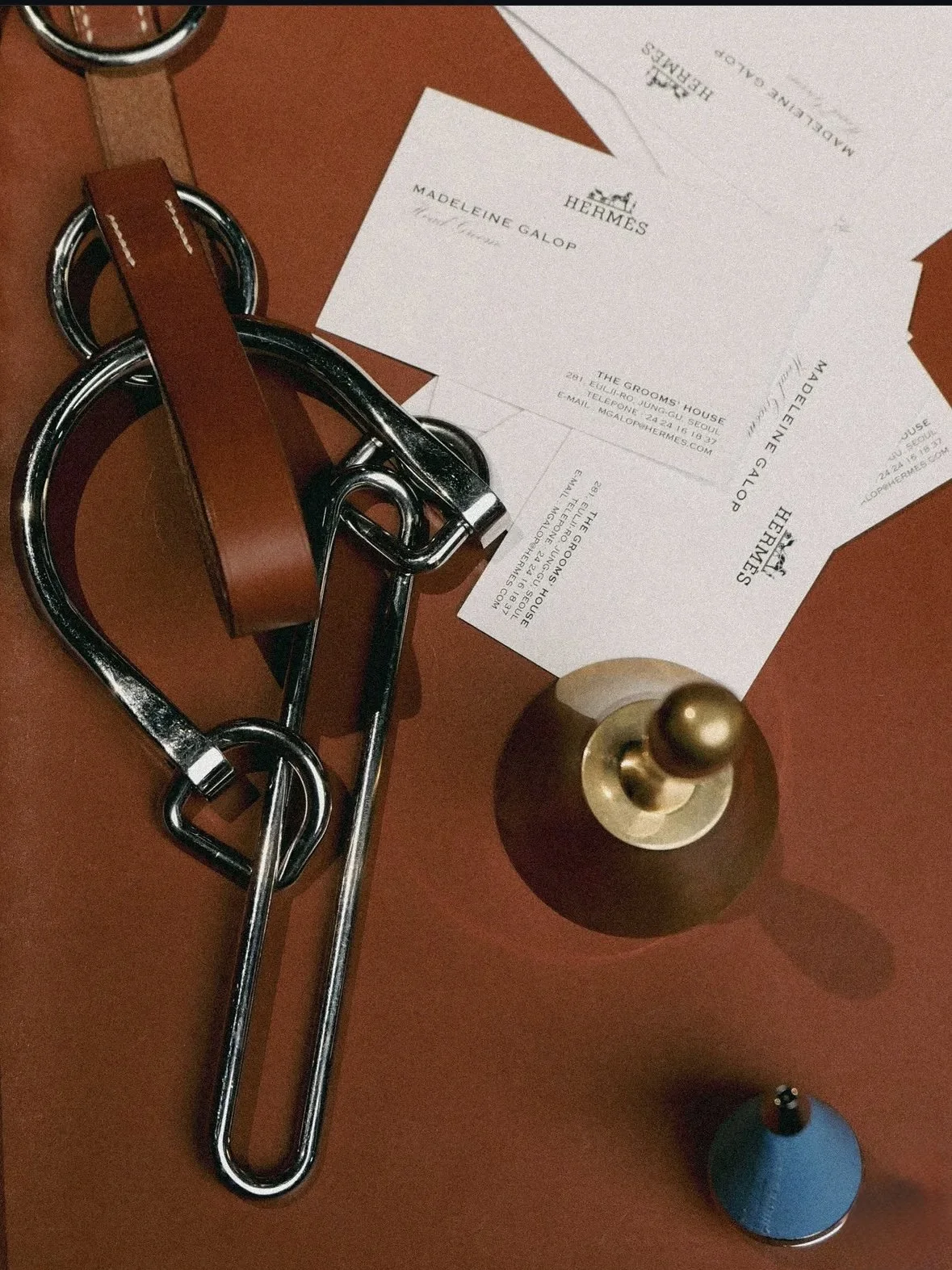
Image courtesy of @evergemiensis on Instagram.
Most brands use marketing to create visibility.
Hermès uses marketing to create participation, memory, and brand literacy.
That is the difference.
A normal luxury activation asks the customer to attend, look, photograph, and leave. Hermès designs the customer journey so the visitor enters the house world, receives a role, follows a sequence, searches for house codes, completes a mission, and leaves with a memory that feels earned.
This is why Hermès' "Mystery at the Grooms" matters. It is not just an exhibition. It is a case study in how ultra-luxury brands turn heritage into an active customer journey.
Luxury brands today are obsessed with experiences. Pop-ups. Cafés. Hotels. Flower carts. Immersive rooms. Logo-heavy exhibitions. Branded environments designed for social media.
The problem is that many of these experiences create attendance, but not attachment.
A customer can walk through a beautiful space, take a photo, and still leave without understanding the brand more deeply.
Hermès works differently.
With "Mystery at the Grooms," the house is not simply asking visitors to observe Hermès. It is asking them to enter a Hermès world and participate inside it.
The Seoul edition, held at Dongdaemun Design Plaza from June 6 to 16, 2026, invited visitors to become Hermès detectives and search for hidden horses inside the Grooms' House. The event was free by reservation and required visitors to bring a charged phone, showing that the experience was designed around active participation rather than passive viewing.
The most important decision in the experience is role assignment. The visitor is not treated as an audience member. She becomes a detective. That single shift changes the psychology of the event.
Reservation creates commitment. Time-slot booking creates scarcity. QR access creates a controlled entry ritual. Check-in creates the sense of crossing into a private system. The story introduction gives context. The tutorial prepares the visitor to act. The mission gives direction. The hidden horse search creates curiosity. The mission summary creates completion. The reward gives closure.
This is not random entertainment. It is behavioral architecture. A weak luxury pop-up gives the customer a room. Hermès gives the customer a sequence. That sequence is the strategy.
Hermès began in saddlery. So when the visitor searches for hidden horses, she is not simply playing a game. She is repeatedly rehearsing the origin code of the house.
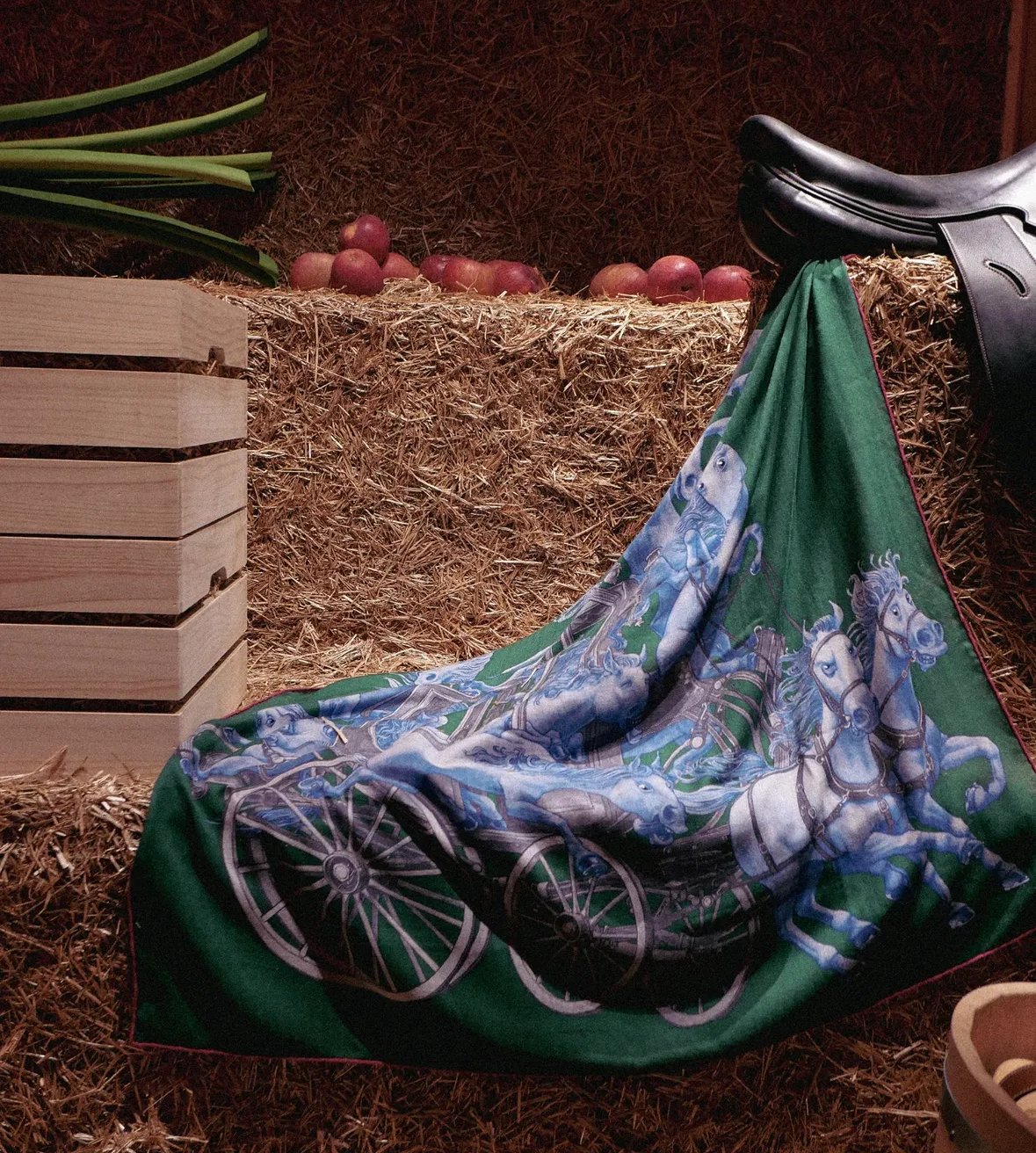
Image courtesy of @evergemiensis on Instagram.
This is not a one-off activation. Hermès has been moving this format across major luxury cities: Shanghai in December 2024, New York in June 2025, Tokyo in November 2025, and the most recent edition in Seoul in June 2026. It is not repeating because it has run out of ideas. It is repeating because it has built a transferable brand system.
Same house code. Same horse logic. Same detective role. Same object discovery. Same customer journey. Different city.
The reason this works is psychological. Passive observation creates exposure. Participation creates memory. When a visitor walks through a normal exhibition, she may admire the space, photograph a detail, and forget most of it later. When she has to search, solve, scan, choose, follow clues, and complete a mission, the experience becomes mentally active.
The brain remembers what it has to work for.
The visitor is not just exposed to Hermès. She practices Hermès. She learns the house through action, not explanation.
The lesson is not that every brand should create a detective game. That would be a weak reading. The real lesson is that ultra-luxury experiences must come from the house's own codes. Hermès can do this because the game is built from inside the brand.
A weaker brand copying the same format would look childish because the structure would not come from its own identity. Hermès is not adding gamification on top of the brand. It is using play to reveal what was already inside the brand. That is the real sophistication.
Ordinary marketing often tries to impress. Ultra-luxury marketing tries to initiate. A normal brand wants the customer to see something impressive. An ultra-luxury house wants the customer to feel she has entered a coded world. The experience is controlled, coded, and authored. The customer receives a role. The house controls the rhythm. The codes appear through discovery. The memory is built through action.
The strongest test of a luxury experience is this:
That is brand equity.
Orisé Atelier
Found this analysis valuable?
At Orisé Atelier, we decode luxury brands through structural data and behavioral psychology to reveal how they build authority, sustain demand, and protect long-term performance.
