The Great Luxury Reset: Why Craft Remains Luxury’s Ultimate Anchor
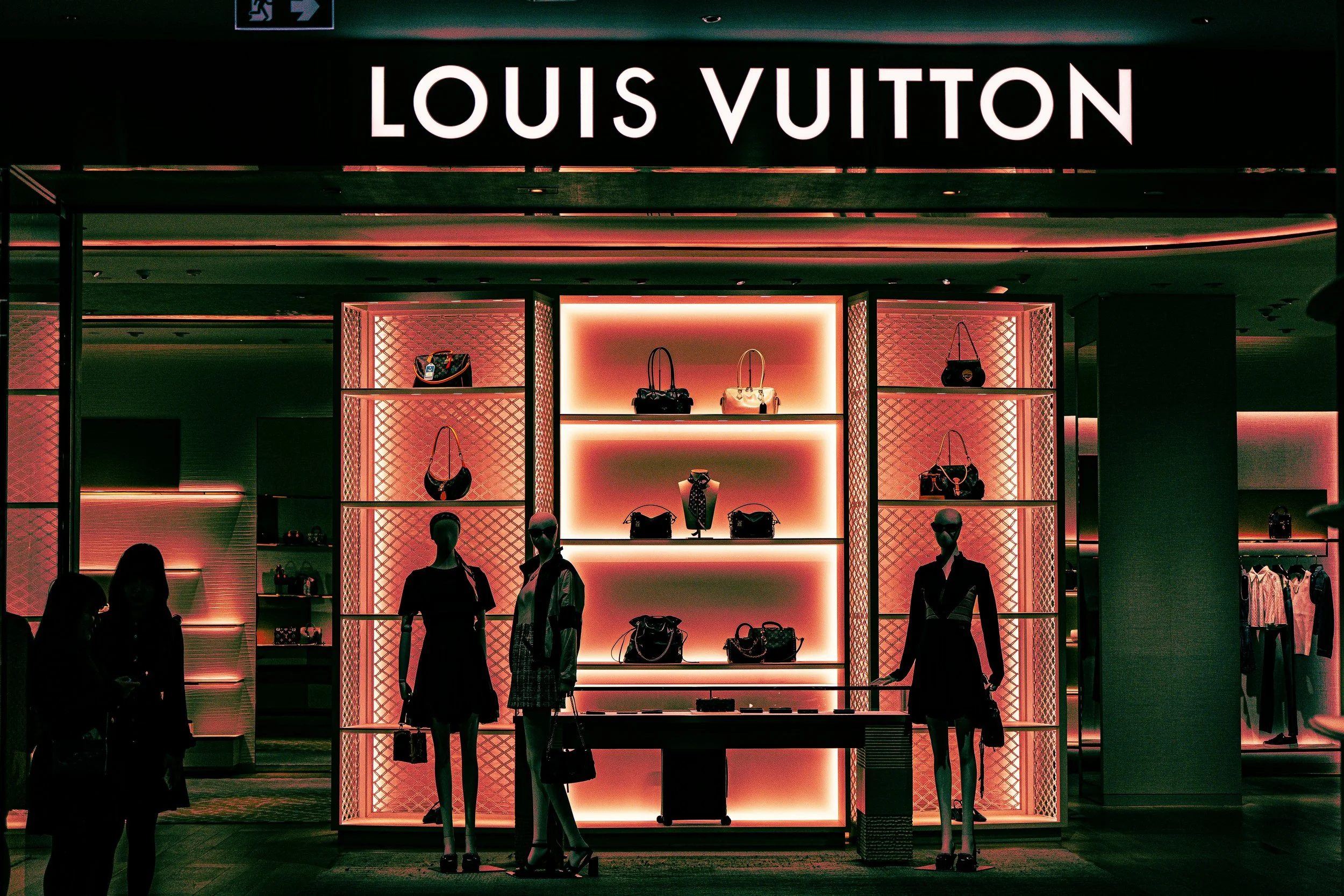
Over the past few seasons, a clear consensus seemed to take hold across fashion capitals and executive suites: mega-luxury houses must act primarily as media conglomerates.
Driven by the pursuit of cultural capital and share-of-mind, global Maisons transformed their business models into engines of viral spectacle—appointing music icons as creative directors, commandeering historic city monuments for runway takeovers, and chasing digital feeds.
The prevailing narrative was enticingly modern:
Craft is merely a baseline expectation, but culture is the primary differentiator.
However, as the global luxury sector experiences a structural realignment, a clear counter-narrative is taking root among industry analysts, heritage houses, and discerning consumers.
The premise that cultural noise can permanently eclipse physical mastery is proving to be a dangerous gamble—one that risks eroding the core foundation of luxury brand equity.
1. The Price-to-Value Disconnect in Modern Luxury
For years, aggressive price hikes across major leather goods, watches, and accessories were justified by an aura of exclusivity.
But as multi-million-dollar marketing budgets dominated brand strategies, an unmistakable disconnect emerged: consumers began noticing that prices were climbing while material quality, stitching integrity, and product longevity remained static.
When a brand spends lavishly on global activations while clients openly critique declining material standards on social media, the illusion shatters.
- Culture creates short-term desire, driving curiosity across entry-level products.
- Craft justifies high-ticket value, securing multi-thousand-dollar transactions over time.
When product quality falters, hype stops looking like prestige. It starts looking like high-priced mass fashion.
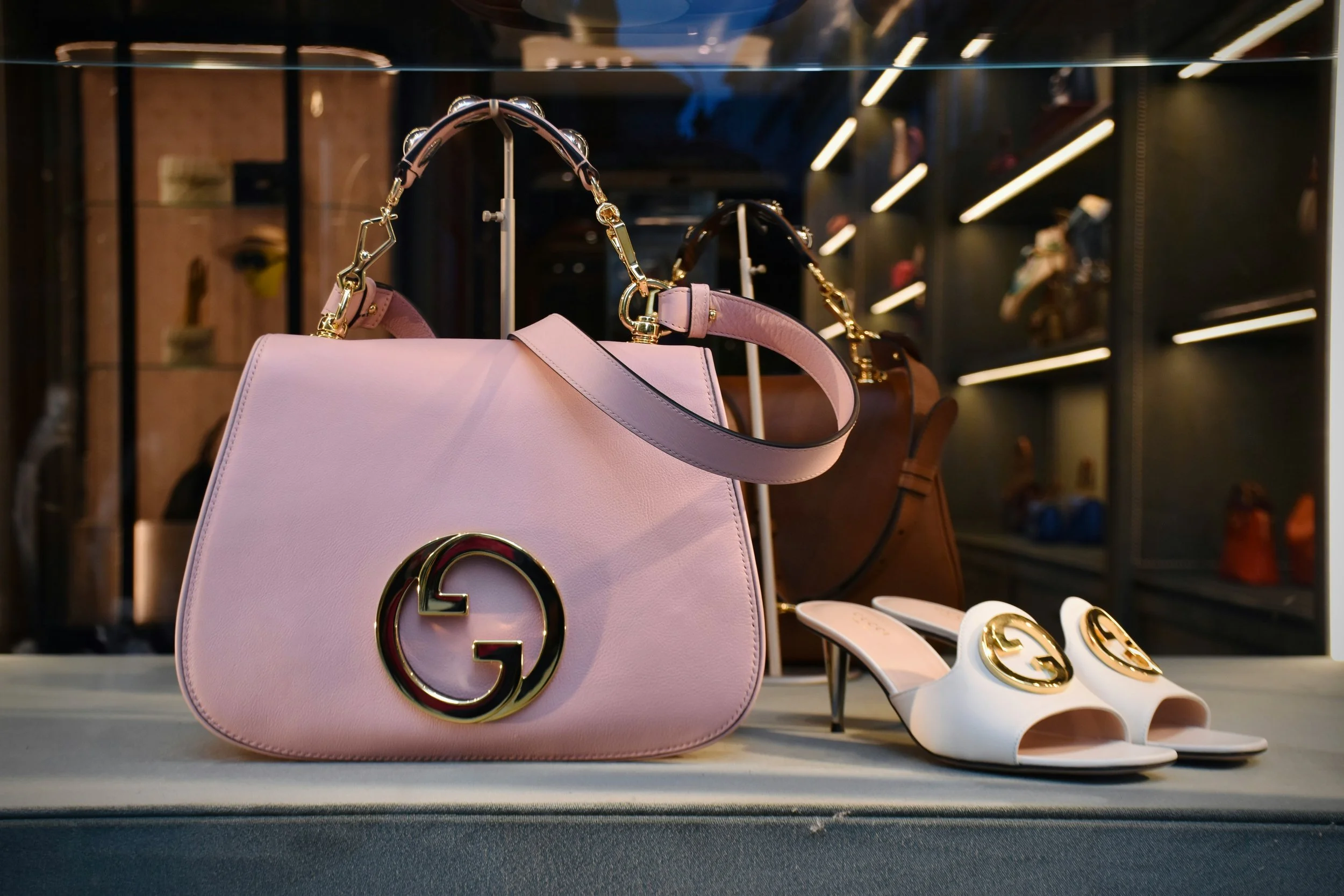
2. The Connoisseur Backlash: Why Ultra-High-Net-Worth Clients Are Pivoting
A luxury strategy anchored purely in cultural spectacle targets top-of-funnel reach, specifically aspirational buyers entering brands through fragrances, entry-level accessories, and social media trends.
While this model temporarily boosts sales volume, over-indexing on noise risks alienating the industry’s most resilient customer segment: Very Important Clients and High-Net-Worth Individuals.
| Strategy | Spectacle-Driven Luxury | Craft-Driven Luxury |
|---|---|---|
| Primary Focus | Viral top-of-funnel hype | Private, discreet experience |
| Target Audience | Aspirational buyers | Long-term VIC loyalty |
| Market Impact | High noise and fleeting trends | Tangible artisanal provenance |
The rise of technique-first labels highlights a broader industry movement toward quiet luxury.
These houses did not win by building loud cultural engines. They succeeded by prioritizing material provenance, unbranded elegance, and artisanal mastery.
While spectacle generates clicks, true luxury clients increasingly seek discretion, permanence, and tangible skill over internet-famous hype.
3. The Scarcity Fallacy: Craft Isn’t a Commodity
Perhaps the most flawed assumption in contemporary brand strategy is the belief that craft has become a commoditized feature—something easily outsourced, standardized, or relegated to the background.
In reality, master handwork, rare raw materials, and centuries-old atelier techniques are among the scarcest assets on earth:
- Media reach can be bought: Any brand with a sufficient budget can hire global ambassadors and dominate search feeds overnight.
- Mastery must be built: Decades of specialized leather-working expertise or traditional textile weaving cannot be manufactured out of thin air.
In an era saturated with ephemeral digital content, authentic physical mastery remains the rarest currency in the market.
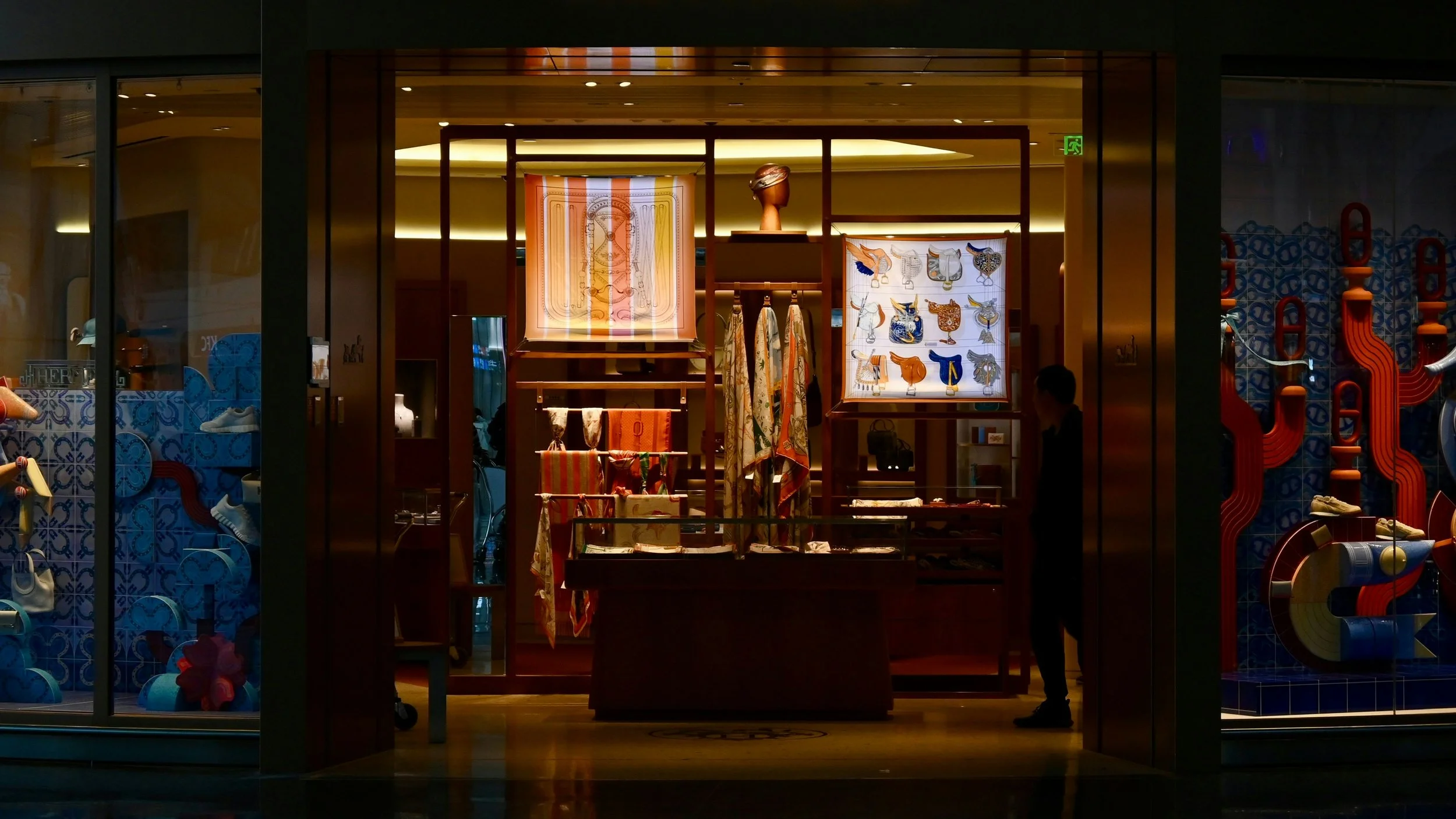
4. Restoring the Brand Hierarchy: Symbiosis, Not Substitution
This perspective is not an argument to strip luxury of storytelling or cultural engagement.
Narrative gives luxury its emotion and relevance. However, long-term brand equity requires restoring a clear hierarchy:
- Craft is the Anchor: The non-negotiable foundation providing intrinsic value, justifying premium pricing, and guaranteeing brand longevity.
- Culture is the Lens: The medium through which the story of that craft is communicated to a contemporary global audience.
When culture serves the craft, it elevates a product into art. But when culture replaces craft, luxury loses its intrinsic worth—and ultimately, its pricing power.
Conclusion: The Future of Luxury Marketing
Mega-spectacles and pop-culture takeovers will always win the immediate news cycle.
However, multi-generational brand loyalty is forged in the atelier, not on the viral stage.
As the market recalibrates toward sustainable value, the winners of the coming decade will not be the loudest media platforms in Paris or Milan.
They will be the houses whose products continue to hold up under scrutiny long after the crowd goes home.
Subscribe to Orisé Atelier Intelligence for analytical deep-dives into luxury positioning, behavioural psychology, and market strategy.
Subscribe to Intelligence